
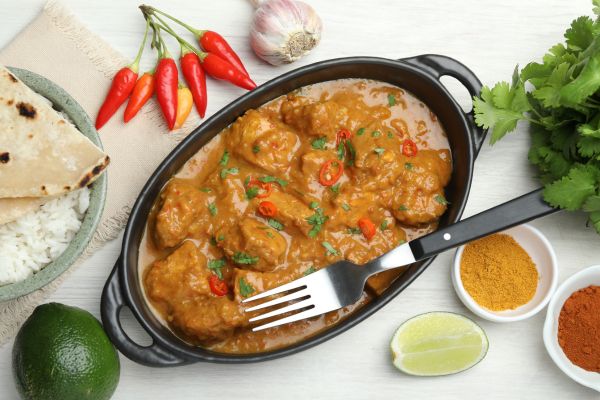
There’s something deeply comforting about a pot of curry simmering on the stove. The aroma alone — warm cumin, toasted coriander, ginger, garlic, and chilies — can transform a kitchen into something magical. When people search for Indian curry recipes, they’re often looking for bold flavor. But what they usually discover is something richer: history, regional identity, family tradition, and layers of technique that go far beyond “spicy sauce.”
Indian curry is not one single dish. It’s a universe. From creamy North Indian gravies to coconut-laced southern stews, every region has its own rhythm, ingredients, and cooking philosophy. The beauty of authentic Indian curry recipes is that they’re adaptable. Vegetarian or meat-based, fiery or mild, slow-cooked or weeknight-friendly — there’s a version for everyone.
The Heart of Indian Curry: Spices and Technique
Before diving into specific dishes, it helps to understand what makes Indian curry distinct. Contrary to common belief, “curry powder” is not a standard ingredient in most Indian kitchens. Instead, flavor comes from carefully layered whole and ground spices — often bloomed in hot oil to release their essential oils before anything else is added.
This process, sometimes called tempering or tadka, creates the backbone of many Indian curry recipes. Whole cumin seeds crackle in oil. Mustard seeds pop. Dried red chilies deepen in color. Then come aromatics: chopped onions cooked patiently until golden, ginger-garlic paste stirred in until fragrant, tomatoes reduced to a thick masala base.
That base becomes the canvas for countless variations.
Butter Chicken: The Creamy Classic
Few dishes are as globally recognized as butter chicken, known traditionally as murgh makhani. Originating in Delhi, this North Indian favorite balances tangy tomato, cream, butter, and gentle spice.
The chicken is typically marinated in yogurt and spices before being roasted or grilled, which adds a subtle smokiness. It’s then simmered in a velvety tomato-based sauce enriched with cream and a hint of fenugreek leaves. The result is luxurious but not heavy, complex but approachable.
Among Indian curry recipes, butter chicken often serves as a gateway dish for those new to Indian cooking. It’s not overly spicy, yet it carries the depth that defines authentic flavor.
Chana Masala: A Vegetarian Powerhouse
Chana masala proves that meat is not necessary for a deeply satisfying curry. Made with chickpeas simmered in a spiced tomato-onion gravy, this dish is hearty, earthy, and slightly tangy.
What sets great chana masala apart is the careful balance of spices — coriander, cumin, garam masala, amchur (dried mango powder), and sometimes black cardamom. The chickpeas absorb the masala as they cook, becoming tender and flavorful rather than simply coated in sauce.
This is one of those Indian curry recipes that feels just as fitting for a weekday dinner as it does for a festive gathering. Served with fluffy basmati rice or warm naan, it’s comfort food with character.
Rogan Josh: Slow-Cooked Depth from Kashmir
Travel north to Kashmir, and you’ll encounter rogan josh — a lamb curry known for its vibrant red hue and aromatic richness. Despite its bold appearance, it isn’t necessarily fiery. Instead, it’s fragrant, warm, and layered.
Traditional versions rely on Kashmiri chilies for color and mild heat, along with fennel, ginger powder, and asafoetida. Yogurt adds subtle tang, while slow cooking tenderizes the lamb until it practically melts.
Among authentic Indian curry recipes, rogan josh stands out for its restraint. It doesn’t overwhelm with spice; it builds gently, rewarding patience.
Fish Curry from the South: Coconut and Curry Leaves
Move toward the southern coastline, and the flavor profile shifts dramatically. Coconut milk, tamarind, and fresh curry leaves dominate many dishes here.
South Indian fish curry, especially from Kerala, is bright and tangy with a silky coconut base. Mustard seeds, fenugreek, and green chilies infuse the oil before onions and spices are added. Tamarind contributes acidity, while coconut milk softens the edges.
The fish cooks quickly in the simmering sauce, absorbing flavor without losing its delicate texture. Compared to cream-heavy northern gravies, this style feels lighter, sharper, and deeply tied to coastal ingredients.
These regional contrasts are what make exploring Indian curry recipes endlessly interesting. One country, countless interpretations.
Paneer Tikka Masala: The Vegetarian Indulgence
Paneer tikka masala mirrors the structure of butter chicken but replaces meat with paneer, a firm Indian cottage cheese that holds its shape beautifully when cooked.
Cubes of paneer are often marinated and grilled before being added to a tomato-based gravy enriched with cream and spices. The result is indulgent yet balanced. The paneer soaks up flavor while maintaining a gentle, milky freshness.
For those seeking vegetarian Indian curry recipes that don’t feel like an afterthought, this dish delivers fully on taste and texture.
The Everyday Dal: Simplicity at Its Best
Not every curry is elaborate. In many Indian homes, dal — lentils simmered until soft and finished with tempered spices — is a daily staple.
Yellow lentils or split pigeon peas cook down into a creamy consistency. A final tempering of cumin, garlic, dried chilies, and ghee poured over the top adds fragrance and depth. It’s humble, yes, but deeply satisfying.
Dal reminds us that Indian curry recipes aren’t only about complexity. Sometimes, they’re about nourishment, routine, and comfort.
Balancing Heat and Flavor
A common misconception is that all Indian curries are intensely spicy. In reality, heat is only one dimension. Many dishes emphasize aroma over fire. Spices like cinnamon, cardamom, and cloves contribute warmth without burn.
When cooking Indian curry recipes at home, adjusting chili levels is simple. The essential flavors — coriander, cumin, turmeric, ginger, garlic — remain intact even when heat is dialed down.
The magic lies in balance. Sweetness from caramelized onions. Acidity from tomatoes or tamarind. Creaminess from yogurt or coconut milk. Spice that lingers rather than shocks.
Building Confidence in the Kitchen
Cooking authentic Indian curry recipes can feel intimidating at first. The ingredient list sometimes looks long. The steps seem layered. But once you understand the pattern — temper spices, build the masala, add protein or vegetables, simmer — it becomes intuitive.
A well-stocked spice cabinet changes everything. Whole cumin, coriander powder, turmeric, garam masala, red chili powder — these form the foundation. Fresh ginger and garlic are non-negotiable. After that, each dish finds its own personality.
And perhaps that’s the real appeal. Curry is not rigid. It evolves. Families tweak recipes. Regions adapt to available ingredients. Even leftovers taste different the next day as flavors deepen.
Why Indian Curry Recipes Endure
The global popularity of Indian curry recipes isn’t accidental. They satisfy on multiple levels — flavor, texture, aroma, and emotional connection. They invite sharing. A large pot placed at the center of a table encourages conversation and lingering meals.
More than that, these dishes tell stories. Of trade routes that introduced spices centuries ago. Of regional climates shaping ingredients. Of home cooks passing down techniques without measuring spoons, guided by instinct.
To cook Indian curry is to engage in something both practical and expressive. It’s food with history. Food with personality.
A Final Reflection
Exploring authentic Indian curry recipes is less about mastering a single dish and more about understanding a philosophy of cooking — layering flavors patiently, respecting spices, and embracing variation. From creamy butter chicken to tangy coastal fish curry, from hearty chana masala to humble dal, each recipe offers a different lens into India’s vast culinary landscape.
In the end, curry isn’t just about heat or sauce. It’s about depth. It’s about balance. It’s about the quiet satisfaction of stirring a pot and knowing that, with time and care, simple ingredients can become something unforgettable.