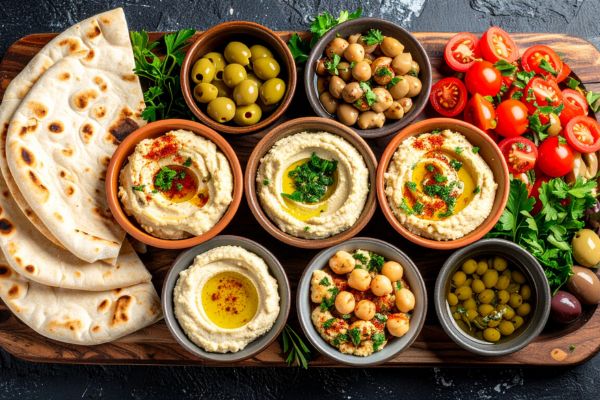
There’s something quietly magical about a table filled with mezze. It’s not just the variety or the color, though both play their part. It’s the rhythm of sharing—small dishes passed around, conversations unfolding between bites, flavors layered in a way that feels both generous and intimate. Middle Eastern mezze recipes aren’t just about food; they’re about how people gather.
In many parts of the Middle East, mezze is less of a starter and more of an experience. It invites you to slow down, taste thoughtfully, and linger a little longer than planned. Whether it’s a casual evening at home or a celebratory spread, mezze offers a kind of culinary storytelling that’s hard to replicate.
The Essence of Mezze Culture
Mezze, sometimes spelled meze or mezzeh, refers to a collection of small dishes served together, often before a main meal—but just as often as the meal itself. It’s common across countries like Lebanon, Turkey, Syria, and beyond, each region adding its own personality to the spread.
What ties all these Middle Eastern mezze recipes together is a shared philosophy: balance. You’ll find creamy dips next to crisp vegetables, smoky flavors alongside bright citrus notes, and rich olive oil cutting through earthy legumes. No single dish dominates; instead, they work in quiet harmony.
There’s also a sense of informality. Mezze isn’t plated with rigid precision. It’s meant to be dipped into, scooped up, shared without ceremony. Bread replaces utensils, and the table becomes a place of connection rather than structure.
Hummus as the Heart of the Table
No discussion of Middle Eastern mezze recipes is complete without hummus. It’s often the anchor of the spread, both familiar and endlessly adaptable.
At its core, hummus is simple: chickpeas, tahini, lemon juice, garlic, and olive oil. But the magic lies in how these ingredients come together. When done right, it’s silky and light, with a subtle nuttiness from the tahini and just enough brightness from the lemon to keep it from feeling heavy.
There’s a quiet debate, of course, about what makes the “perfect” hummus. Some swear by peeling the chickpeas for a smoother texture. Others adjust the ratio of tahini to chickpeas depending on preference. And then there are the toppings—paprika, pine nuts, fresh herbs, or even spiced minced meat in some variations.
What matters most is that hummus invites you in. It’s the dish people instinctively reach for first, tearing off a piece of warm flatbread and dipping without thinking twice.
Baba Ganoush and the Art of Smoke
Where hummus is creamy and comforting, baba ganoush brings a deeper, smokier note to the table. Made primarily from roasted eggplant, it carries a flavor that feels almost primal, especially when the eggplant is charred over an open flame.
The process of preparing baba ganoush is as important as the ingredients themselves. Roasting the eggplant until the skin collapses and the inside becomes soft and almost silky is key. That smoky aroma seeps into the flesh, giving the dish its distinctive character.
Mixed with tahini, garlic, lemon juice, and olive oil, baba ganoush becomes a dip that feels both rustic and refined. It’s slightly looser than hummus, with a texture that reflects the eggplant’s natural softness.
On a mezze table, it offers contrast—a darker, more complex flavor that balances the brightness of other dishes.
Freshness Through Tabbouleh
If mezze had a voice, tabbouleh would be its fresh, vibrant tone. This herb-forward salad is a reminder that Middle Eastern mezze recipes aren’t just about dips and spreads; they’re also about freshness and lightness.
Tabbouleh is built around parsley—lots of it—finely chopped and mixed with bulgur, tomatoes, mint, lemon juice, and olive oil. The result is crisp, tangy, and incredibly refreshing.
What makes tabbouleh stand out is its restraint. It doesn’t try to be heavy or filling. Instead, it acts as a palate cleanser, cutting through richer dishes and bringing a sense of balance to the table.
It’s also one of those recipes that feels slightly different every time you make it. A little more lemon here, a handful of mint there—it adapts easily, reflecting the cook’s mood as much as tradition.
The Comfort of Falafel
Falafel introduces a different texture altogether—crispy on the outside, soft and herbaceous on the inside. Made from ground chickpeas or fava beans mixed with herbs and spices, these small fritters are deeply satisfying.
The beauty of falafel lies in its contrast. The exterior is golden and crisp, while the inside remains tender and full of flavor. Cumin, coriander, garlic, and fresh herbs create a profile that’s both earthy and aromatic.
In the context of Middle Eastern mezze recipes, falafel adds substance. It’s one of the few items that feels hearty enough to stand alone, yet it still fits seamlessly into the shared experience. Paired with tahini sauce or tucked into warm bread with pickles, it becomes a centerpiece in its own quiet way.
Labneh and the Beauty of Simplicity
Sometimes, the simplest dishes are the most memorable. Labneh, a strained yogurt cheese, is a perfect example. It requires very little—just yogurt and time—but the result is something rich, tangy, and incredibly versatile.
Once the yogurt has been strained to remove excess liquid, it thickens into a spreadable consistency. A drizzle of olive oil, a sprinkle of za’atar, and perhaps a few olives on the side are all it needs.
Labneh offers a cooling contrast to spicier or more robust dishes. It’s the kind of element that quietly supports everything else on the table, never demanding attention but always appreciated.
Stuffed Grape Leaves and Slow Craft
Stuffed grape leaves, often known as dolma or warak enab, bring a sense of tradition and patience to the mezze table. These delicate parcels are filled with rice, herbs, and sometimes meat, then rolled tightly and cooked until tender.
There’s something almost meditative about making them. Each leaf is filled and folded by hand, creating small, uniform bundles that feel both humble and intricate.
The flavor is subtle but layered—herby, slightly tangy from lemon, and gently spiced. They’re often served at room temperature, making them ideal for a mezze spread where dishes are meant to linger and be enjoyed over time.
Flatbreads as the Silent Companion
No mezze table feels complete without bread. Whether it’s soft pita, thin lavash, or slightly crisp flatbread, it acts as both utensil and accompaniment.
Bread carries the dips, scoops up salads, and ties everything together. It’s the thread that connects each dish, allowing you to experience flavors in combination rather than isolation.
There’s a quiet satisfaction in tearing off a piece of warm bread and using it to gather a bit of hummus, a spoonful of tabbouleh, and maybe a bite of falafel all at once. It’s messy in the best possible way.
Building a Mezze Spread at Home
Creating your own mezze spread doesn’t require perfection or an extensive menu. In fact, part of its charm lies in its flexibility. A few well-chosen dishes can feel just as abundant as a large assortment.
The key is variety—different textures, temperatures, and flavors. Something creamy, something crisp, something fresh, something hearty. When these elements come together, even a small selection can feel complete.
It’s also worth embracing a relaxed approach. Mezze isn’t about strict timing or presentation. Dishes can be made ahead, served at room temperature, and enjoyed at a leisurely pace. It’s less about impressing and more about creating a space where people feel comfortable lingering.
Why Mezze Continues to Inspire
There’s a reason Middle Eastern mezze recipes have found their way into kitchens around the world. They offer a way of eating that feels both communal and adaptable. In a time when meals are often rushed or eaten alone, mezze reminds us of something simpler.
It encourages conversation. It invites experimentation. It allows each person at the table to create their own combination of flavors, their own small moments of enjoyment.
And perhaps most importantly, it shifts the focus from the plate to the people around it.
A Table Worth Gathering Around
At its heart, mezze is about more than food. It’s about generosity, rhythm, and the quiet joy of sharing. Each dish, no matter how simple, contributes to a larger experience—one that unfolds slowly, bite by bite.
Whether you’re preparing a full spread or just a few favorite dishes, Middle Eastern mezze recipes offer a way to bring people together without pressure or pretense. They remind us that a good meal doesn’t have to be complicated to be meaningful.
Sometimes, all it takes is a table, a few small plates, and the willingness to share.