The Timeless Appeal of Chinese Dumplings
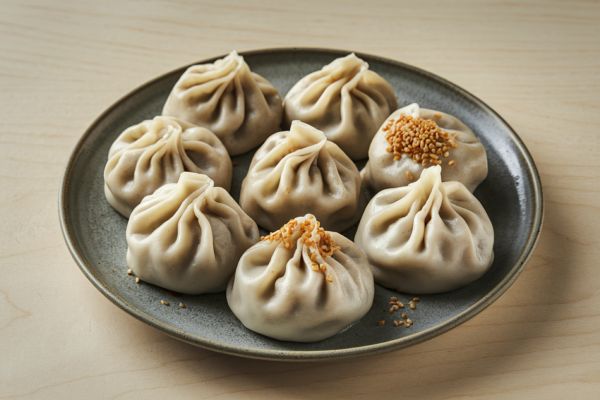
There’s something quietly comforting about a plate of dumplings. Whether they arrive steaming hot in a bamboo basket or crisped golden in a pan, dumplings carry a sense of warmth that feels almost universal. Across China, dumplings are more than just food—they’re tradition, memory, and celebration folded into delicate wrappers.
What makes Chinese dumpling recipes so appealing at home is their versatility. You can fill them with almost anything, shape them in your own imperfect way, and cook them to suit your mood. It’s not about perfection. In fact, the slightly uneven folds often make them feel more personal.
Understanding the Basics of Dumpling Making
At their core, dumplings are simple: a thin wrapper filled with a mixture, then cooked using one of several methods. But simplicity doesn’t mean lack of depth. The balance between wrapper and filling, seasoning and texture, is where the magic happens.
The wrapper is usually made from flour and water, rolled thin enough to be tender but strong enough to hold everything together. Store-bought wrappers work fine, especially when you’re just starting out, but making them from scratch adds a certain rhythm to the process.
The filling is where personality comes in. Traditional combinations often include minced meat, finely chopped vegetables, ginger, garlic, and soy sauce. Yet there’s plenty of room for improvisation.
Classic Pork and Cabbage Dumplings
If there’s a cornerstone among Chinese dumpling recipes, it’s pork and cabbage. This combination is beloved for a reason—it’s balanced, juicy, and deeply satisfying.
The cabbage brings a gentle sweetness and moisture, while the pork adds richness. A bit of ginger cuts through the heaviness, and soy sauce ties everything together. When mixed properly, the filling should feel slightly sticky, almost cohesive, which helps it stay tender during cooking.
Boiling is the most traditional method here. The dumplings float to the surface when done, their wrappers turning soft and silky. Dipped in a simple sauce of soy sauce and vinegar, they’re understated yet full of character.
Flavorful Chicken and Mushroom Dumplings
For something a little lighter, chicken and mushroom dumplings offer a gentle, earthy flavor. The mushrooms—especially varieties like shiitake—bring depth and a slightly chewy texture that contrasts nicely with the softness of the chicken.
These dumplings are often steamed, allowing the filling to stay delicate and juicy. The aroma that rises when you lift the lid of a steamer is subtle but inviting, almost like a quiet promise of comfort.
There’s a tendency to over-season chicken, but here restraint works better. A touch of sesame oil, some garlic, and a hint of white pepper are enough to let the natural flavors shine.
Vegetarian Dumplings with Fresh Greens
Vegetarian dumplings don’t feel like a compromise when done well. In fact, they often highlight the freshness of ingredients more clearly than meat-based versions.
A common filling might include spinach, tofu, chives, and glass noodles. The key is to remove excess moisture from the vegetables so the dumplings don’t become soggy. Once balanced, the filling becomes surprisingly hearty.
Pan-frying works beautifully here. The bottoms turn crisp while the tops remain soft, creating a contrast that makes each bite more interesting. A light dipping sauce enhances rather than overwhelms the natural flavors.
The Art of Folding Dumplings
Folding dumplings can feel intimidating at first, but it’s less about precision and more about practice. There are countless styles—pleated crescents, simple half-moons, even more intricate shapes—but all serve the same purpose: sealing the filling inside.
A small dab of water along the edge of the wrapper helps it stick. From there, it’s just a matter of pressing and folding. Some dumplings will look neat, others a bit uneven. That’s part of the charm.
Over time, your hands develop a memory for the motion. It becomes almost meditative, especially when done in a quiet kitchen.
Cooking Methods That Change Everything
How you cook dumplings transforms their character entirely. Boiled dumplings are soft and comforting, almost soothing in their simplicity. Steamed dumplings feel lighter and more delicate, letting the filling take center stage.
Pan-fried dumplings—often called potstickers—offer something else entirely. The crisp bottom adds texture, while the steamed top keeps things tender. It’s this contrast that makes them so satisfying.
Even within the same recipe, switching the cooking method can create a completely different experience. That’s part of what makes Chinese dumpling recipes so endlessly adaptable.
Dipping Sauces That Bring It All Together
A good dumpling rarely stands alone. The dipping sauce completes it, adding brightness or heat or depth, depending on what you prefer.
The most classic combination is soy sauce and black vinegar, sometimes with a drizzle of chili oil. It’s simple, but it enhances without overpowering. Garlic can be added for sharpness, or a touch of sugar for balance.
What’s interesting is how personal sauces can become. Some people prefer them bold and spicy, others subtle and tangy. There’s no strict rule—just what feels right for your palate.
Making Dumplings a Shared Experience
There’s a reason dumplings are often made in groups. The process invites conversation, laughter, and a bit of mess. One person rolls wrappers, another fills, someone else folds. Before long, a tray fills up almost without noticing.
It’s not just about efficiency. It’s about the rhythm of working together. Even if the dumplings aren’t perfectly shaped, they carry a sense of connection that’s hard to replicate.
In many homes, dumpling-making becomes part of celebrations or quiet weekends alike. It’s both an activity and a meal.
Bringing Chinese Dumpling Recipes Into Your Kitchen
Trying Chinese dumpling recipes at home doesn’t require perfection or specialized tools. It just takes a willingness to experiment a little. Start with simple fillings, use store-bought wrappers if needed, and focus on getting comfortable with the process.
Mistakes happen—wrappers tear, fillings spill, shapes look uneven. But each batch gets better. And even the imperfect ones taste good, which is really what matters.
Over time, you might find yourself adjusting flavors, trying new combinations, or even developing your own signature dumpling.
A Closing Reflection on Homemade Dumplings
Dumplings have a quiet way of bringing people back to the basics of cooking. They’re hands-on, slightly time-consuming, and deeply rewarding. In a world that often leans toward convenience, they invite you to slow down just enough to enjoy the process.
Chinese dumpling recipes aren’t just about following steps—they’re about feeling your way through ingredients, textures, and flavors. And maybe that’s why they endure. Not because they’re complicated, but because they’re meaningful in their simplicity.
In the end, a plate of homemade dumplings isn’t just food. It’s effort, care, and a little bit of joy folded into every bite.