
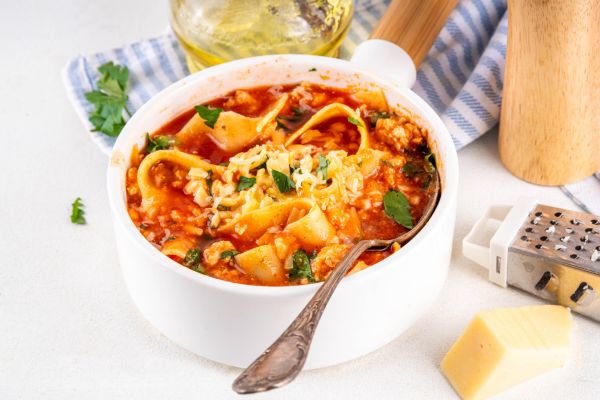
There are meals we eat because we’re hungry, and then there are meals we crave because they feel like home. Comfort food sits in that second category. It’s the warm casserole on a cold evening, the bubbling pan pulled from the oven, the familiar smell of onions and butter filling the kitchen before anyone says dinner is ready.
American comfort food recipes carry a special kind of nostalgia. They reflect family kitchens, neighborhood diners, holiday tables, and hand-me-down recipe cards with faded handwriting. Some dishes are simple, some rich, some wonderfully old-fashioned, but nearly all of them offer the same thing: reassurance.
In a fast-moving world, these recipes slow everything down. They invite people to gather, linger, and eat well.
Why Comfort Food Still Matters
Trends in food come and go. One year everyone wants small plates, the next year it’s protein bowls or artisan something-or-other. Yet comfort food never disappears.
That’s because it speaks to memory more than fashion. A spoonful of creamy mashed potatoes can remind someone of childhood dinners. A baked macaroni dish may recall school holidays and crowded family tables. Even the sound of a skillet can feel familiar.
American comfort food recipes also tend to be generous. They are built for sharing, leftovers, and second helpings. They’re not shy meals, and maybe that’s part of their charm.
Macaroni and Cheese That Deserves the Hype
Few dishes represent comfort quite like macaroni and cheese. It can be made from a box in a hurry, but homemade versions have a depth and richness that turns a simple meal into something memorable.
A good baked mac and cheese starts with a smooth cheese sauce, usually made from butter, flour, milk, and a blend of cheeses. Sharp cheddar gives flavor, while mozzarella or Monterey Jack adds stretch and softness. Tossed with pasta and baked until golden on top, it becomes creamy underneath with a lightly crisp crust above.
Some cooks add breadcrumbs, smoked paprika, or mustard powder. Others keep it plain and traditional. There is no single correct version, which is part of the reason the dish endures.
Meatloaf and the Art of the Family Dinner
Meatloaf has long been misunderstood. At its worst, it is dry and forgettable. At its best, it is deeply satisfying.
Ground beef mixed with onions, breadcrumbs, eggs, and seasoning forms the base. A glaze of ketchup, brown sugar, or tomato sauce caramelizes during baking and adds the sweet-savory finish people remember.
Served with mashed potatoes and green beans, meatloaf feels like a complete picture of the classic American dinner table. It is practical, filling, and strangely comforting in its plainness.
Some foods impress. Meatloaf reassures.
Fried Chicken With Crispy Tradition
Few dishes inspire loyalty the way fried chicken does. Regional styles vary, family methods are guarded, and everyone seems convinced their version is the right one.
But the essentials remain familiar: seasoned chicken, flour coating, and careful frying until the outside turns crisp and golden while the inside stays juicy. Some soak chicken in buttermilk first. Others swear by hot sauce in the marinade or a pinch of cayenne in the flour.
Served with biscuits, coleslaw, or mashed potatoes, fried chicken is celebration food and everyday food at once. It belongs at picnics, Sunday lunches, and late-night kitchen counters alike.
Chicken Pot Pie and Cold Weather Comfort
When temperatures drop, certain dishes suddenly make perfect sense. Chicken pot pie is one of them.
Tender chicken, carrots, peas, onions, and a creamy sauce tucked beneath flaky pastry create a meal that feels almost protective. Break through the crust and steam rises like a promise.
This dish rewards patience. It asks for chopping, stirring, assembling, and waiting. Yet the result is worth it. Pot pie isn’t rushed food, and it shouldn’t be.
Among American comfort food recipes, it may be one of the most complete expressions of warmth.
Biscuits and Gravy From the Breakfast Table
Some comfort foods belong to dinner, but biscuits and gravy proudly claim breakfast.
Fresh biscuits should be tender inside with lightly crisp edges. The gravy, often made from sausage drippings, flour, milk, and black pepper, is rich and savory without needing much decoration.
This dish is especially rooted in Southern food traditions, though loved far beyond them now. It fills the kitchen with the smell of flour, butter, and peppery cream, which is a powerful argument for waking up early.
Served hot, it asks very little except appetite.
Chili That Improves by the Hour
Chili occupies an interesting space in American cooking. It can be weeknight dinner, game-day centerpiece, or a dish cooked in giant pots for gatherings.
Ground beef or chunks of meat, beans in many versions, tomatoes, onions, garlic, and chili spices simmer together until flavors deepen and merge. What begins as separate ingredients becomes something richer after time.
Like many classic comfort foods, chili often tastes better the next day. Leftovers develop character overnight, making it one of the rare dishes that rewards patience twice.
Topped with cheese, onions, or cornbread on the side, it remains a reliable favorite.
Mashed Potatoes and Their Quiet Importance
Some foods support the meal rather than headline it, yet become unforgettable when done well. Mashed potatoes belong in that category.
Potatoes boiled until tender, then mixed with butter, cream, or milk become soft, smooth, and endlessly adaptable. Garlic can be added. Sour cream can bring tang. Chives add freshness.
Mashed potatoes appear beside roast chicken, meatloaf, turkey, and steak, but they rarely feel secondary. They absorb sauces, balance richer foods, and somehow make the whole plate feel complete.
No dramatic story is needed. They simply work.
Tomato Soup and the Grilled Cheese Pairing
Certain combinations become classics because they solve each other perfectly. Tomato soup and grilled cheese do exactly that.
The soup offers warmth, acidity, and softness. The sandwich brings crunch, melted cheese, and buttery richness. Dip one into the other and suddenly lunch feels like an event.
Homemade tomato soup often tastes brighter and deeper than canned versions, especially when roasted tomatoes, onions, and garlic are involved. Grilled cheese benefits from patient cooking over medium heat so the bread browns evenly while the cheese melts fully.
Simple? Yes. Forgettable? Never.
Peach Cobbler and Sweet Comfort
Comfort food does not stop at savory dishes. Dessert has always had a seat at the table.
Peach cobbler, with bubbling fruit beneath a soft biscuit-like topping, is one of the most beloved examples. Sweet peaches, cinnamon, butter, and a golden crust create a dessert that feels generous and welcoming.
Served warm with vanilla ice cream, it bridges the gap between humble and indulgent. That’s a rare trick.
Many American comfort food recipes share this quality: they feel special without feeling formal.
Why These Recipes Endure
These dishes survive because they are tied to real life. They are cooked for birthdays, bad days, winter nights, family reunions, and ordinary Tuesdays when everyone is tired.
They are forgiving recipes too. Measurements shift, ingredients swap, ovens vary, and still the meals often turn out beautifully. That flexibility helps them pass from one generation to the next.
They also remind us that food does more than nourish. It steadies people.
Bringing Comfort Food Into Modern Kitchens
Today’s cooks may lighten some recipes, shorten cooking times, or adapt dishes for dietary needs. That is natural. Food evolves with the people making it.
Yet the spirit should remain intact. Comfort food is less about strict authenticity and more about feeling. If a meal brings warmth, familiarity, and satisfaction, it has done its job.
That may be the real recipe beneath all the others.
Conclusion
Classic American comfort food recipes continue to matter because they offer something deeper than flavor alone. They carry memory, hospitality, and the kind of satisfaction that no trend can replace. From bubbling mac and cheese to flaky pot pie, from chili simmering on the stove to peach cobbler cooling on the counter, these dishes remind us that simple food can leave the strongest impression.
In the end, comfort food is not just about what’s on the plate. It’s about how a meal makes people feel when they gather around it.