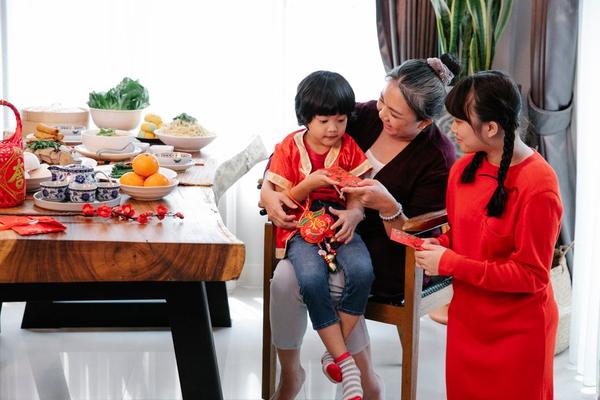
Chinese New Year food traditions turn a family meal into a table of wishes. A whole fish can express hope for abundance, dumplings can evoke old silver ingots, and a chewy rice cake can stand for rising higher in the year ahead. The dishes are enjoyed for their flavour, but their names, shapes and serving styles also carry messages about prosperity, longevity and reunion.
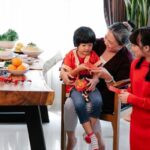
Chinese New Year, commonly called the Spring Festival in China, begins a celebration that continues through the Lantern Festival. The reunion dinner on New Year’s Eve is often the most important meal, bringing relatives together after months apart. Customs differ by province, dialect, household and overseas community, so there is no single menu followed everywhere. The shared idea is to serve foods that sound fortunate, look auspicious or represent completeness.
Why Chinese New Year dishes have symbolic meanings
Many symbolic Chinese foods rely on wordplay. In Mandarin or regional Chinese languages, the name of an ingredient may sound like a word associated with wealth, luck or progress. Appearance matters too. Round foods suggest unity, long noodles suggest a long life, and golden shapes recall historic forms of money.
Meaning can also come from presentation. Serving an animal whole may represent completeness from beginning to end, while leaving a little fish uneaten can express the wish to carry a surplus into the next year. These are living family traditions rather than rigid rules, and modern households often adapt them to taste, budget and dietary needs.
Traditional Chinese New Year foods and what they represent
Whole fish for abundance
Fish is one of the most recognisable Chinese New Year dishes. The Mandarin word for fish, yú, sounds like a word meaning surplus or abundance. A fish may be steamed or braised and presented whole, with the head and tail intact, to suggest a complete and successful year. In some families, a portion is saved until the next day, symbolising that abundance remains rather than being completely used up.
Dumplings for wealth and a fresh beginning
Jiaozi are especially important in northern China. Their curved shape is often compared with yuanbao, the boat-shaped gold or silver ingots used in imperial China. Making dumplings is also a social activity: relatives roll wrappers, prepare fillings and fold them together around the kitchen table.
Fillings range from pork and chives to cabbage, prawns or mushrooms. Some families prepare dumplings close to midnight, linking the meal with the transition from the old year to the new. For a safer celebration, avoid hiding coins or hard objects inside dumplings, particularly when children or older guests are eating.
Niangao for progress year after year
Niangao, often translated as New Year cake, is made in many regional styles. It may be sweet and steamed, sliced and fried, or cooked in a savoury dish. Its name sounds like a phrase meaning “higher every year,” so it expresses hopes for improvement in work, study, income or family life. It is particularly associated with southern Chinese traditions, although it is now enjoyed widely.
Long-life noodles for longevity
Long noodles represent a long and healthy life. They may appear in soup or a stir-fry, and the strands are traditionally kept as long as practical rather than deliberately cut into small pieces. The custom does not require one particular recipe; the visual idea of length carries the wish.
Spring rolls for prosperity
Golden, crisp spring rolls resemble small bars of gold, which explains their association with wealth. They are especially common in parts of southern and eastern China and in many Chinese communities abroad. Fillings may include vegetables, pork, mushrooms or seafood, making them an adaptable part of a festive spread.
Whole chicken for unity
A whole chicken is served in many households as a sign of family togetherness and completeness. Depending on regional practice, it may be poached, steamed, roasted or soy-braised. Not every household follows this custom, and some serve cut portions for convenience, but the dish can still represent a family gathered as one.
Tangyuan for family reunion
Tangyuan are round glutinous rice balls, commonly filled with sesame, peanut or sweet bean paste and served in a warm soup. Their round form and name are associated with togetherness and completeness. They are strongly linked with the Lantern Festival on the fifteenth day, making them a fitting final expression of unity.
Oranges and tangerines for good fortune
Oranges, mandarins and tangerines are displayed, exchanged and eaten during the holiday. Their bright golden colour suggests wealth, while their names can echo auspicious words in Mandarin or Cantonese. The exact wordplay differs by language and region, reminding us that symbolic meanings are not identical across every Chinese community.
How to build a meaningful reunion dinner
A celebration does not need every lucky dish. One family might serve steamed whole fish, vegetable dumplings, stir-fried long noodles and citrus, then save tangyuan for the Lantern Festival. Another may choose niangao instead of dumplings because that better reflects its regional background.
For a practical plan, select one dish for abundance, one for longevity and one for reunion. Ask older relatives which foods appeared in their childhood celebrations, then record the recipe and its family meaning. That conversation can preserve more cultural value than copying an oversized restaurant menu.
Natural related reading could explore Chinese dumpling traditions, regional Chinese cuisine and Lunar New Year customs, each adding context without treating Chinese cuisine as one uniform tradition.
Frequently asked questions
What is the most important Chinese New Year food?
There is no universal single most important dish. Whole fish is widely associated with abundance, while dumplings are especially prominent in northern China and niangao has strong importance in many southern traditions. Family and regional customs determine the centrepiece.
Why is a whole fish served at Chinese New Year?
The word for fish sounds like a word for surplus or abundance. Serving it whole can represent completeness, and leaving a small portion may symbolise carrying extra good fortune into the new year.
Are Lunar New Year food traditions all Chinese?
No. Lunar New Year is celebrated in several cultures, including Korean and Vietnamese communities, each with its own foods and meanings. The dishes described here focus specifically on Chinese New Year food traditions.
Can vegetarian dishes still be symbolic?
Yes. Vegetable dumplings, meat-free spring rolls, longevity noodles, niangao, tangyuan and citrus can all retain their traditional meanings. Symbolism usually comes from the name, shape, colour or family custom rather than the presence of meat.
A table that carries family hopes
The most meaningful Chinese New Year meal is not necessarily the largest. Its value comes from gathering people together and serving dishes that connect memory with hope. Whole fish speaks of abundance, dumplings of fortune, noodles of longevity and round rice balls of reunion. When families adapt these traditions thoughtfully, the festive table remains both personal and culturally rich.