
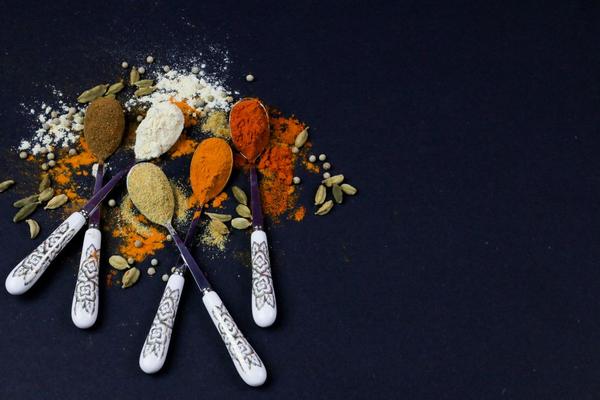
Opening an Indian recipe for the first time can feel like reading a shopping list for an entirely new kitchen. Cumin, coriander, turmeric, cardamom, mustard seeds, garam masala—the names come quickly, and it is easy to assume you need dozens of jars before you can cook anything worthwhile. The good news is that a practical beginner’s Indian spice pantry can be built with a small, flexible collection.
Indian cooking is not about adding every spice you own to one pan. Some spices provide warmth, some add earthiness, some bring colour, and others create fragrance. Learning these roles is one of the most useful Indian cooking basics because it helps you follow recipes confidently and eventually adjust them to your taste.
The Core Spices to Buy First
Cumin Seeds and Ground Cumin
Cumin has a warm, earthy, slightly smoky flavour and appears in countless Indian dishes. Whole cumin seeds are often added to hot oil at the beginning of cooking, where they sizzle and flavour the fat before onions, tomatoes, or other ingredients are added. Ground cumin is usually mixed into sauces, marinades, or spice blends.
Use cumin in lentil dishes, chickpea curries, potato recipes, rice, marinades, and roasted vegetables.
Ground Coriander
Ground coriander is mild, citrusy, and gently earthy. It adds body without making food hot, which is why recipes often use more coriander than stronger spices. It pairs particularly well with cumin and works in tomato-based curries, dals, vegetable dishes, and meat marinades.
Turmeric
Turmeric provides a deep golden colour and a distinctive earthy, slightly bitter taste. A small amount goes a long way; too much can make food taste harsh. It is commonly used in lentils, curries, rice, cauliflower, potatoes, and everyday vegetable dishes. It can also stain worktops, spoons, and clothing, so handle it carefully.
Indian Chilli Powder
Chilli powder controls heat, but the label matters. In some countries, “chilli powder” means a seasoning blend containing cumin, garlic, and other ingredients. Indian recipes generally mean pure ground dried chilli, so check the ingredient list.
Kashmiri chilli powder gives dishes a rich red colour with relatively moderate heat. Start conservatively; adding heat is easier than removing it.
Garam Masala
Garam masala is a fragrant blend rather than a single spice, and its recipe varies by region and brand. It commonly contains warming ingredients such as cumin, coriander, cardamom, cinnamon, cloves, and black pepper. Unlike many ground spices cooked earlier, garam masala is often added near the end so its aroma remains noticeable.
A simple garam masala guide is to treat it as a finishing spice, not the only flavouring. Start with a small amount, taste, and add more if needed.
Whole Spices That Expand Your Options
Black Mustard Seeds
Mustard seeds have a nutty, sharp flavour that becomes rounder when cooked in oil. They are especially common in southern and western Indian cooking. Heat them until they begin to pop, then quickly add the next ingredients so they do not burn. They work beautifully in potato dishes, cabbage, lentils, chutneys, and temperings.
Green Cardamom
Green cardamom is floral, sweet, and intensely aromatic. Whole pods can perfume rice, tea, curries, and desserts. Lightly crush them before cooking to expose the seeds, and remove the pods before serving when practical. Whole pods are usually a better purchase than ground cardamom because they keep their fragrance longer.
Cinnamon, Cloves, and Black Pepper
Cinnamon adds sweet warmth, cloves bring woody intensity, and black pepper contributes sharp heat. Whole versions are often bloomed in oil with cardamom or cumin. Standard supermarket versions are suitable for beginners.
Useful Spices to Add Later
Once your core collection is working well, consider dried fenugreek leaves, fenugreek seeds, fennel seeds, asafoetida, nigella seeds, and dried mango powder. Each opens the door to more regional recipes, but none is essential for your first meals.
Dried fenugreek leaves, sold as kasuri methi, add a savoury, slightly bitter aroma to creamy curries and tomato sauces. Asafoetida develops an onion-garlic character when briefly cooked in fat and is used in very small amounts.
How to Use Indian Spices Correctly
Bloom Whole Spices in Fat
Heating whole spices in oil or ghee releases their aroma and carries flavour through the dish. The oil should be hot enough to make cumin sizzle or mustard seeds pop, but not so hot that the spices blacken. Keep your next ingredients ready because this stage may take only seconds.
Cook Ground Spices Briefly
Ground spices are often added after onions, ginger, and garlic, then cooked briefly before tomatoes or water go into the pan. This removes a raw, dusty taste. If the mixture looks dry, add a small splash of water to prevent burning. Burnt spices become bitter and are difficult to rescue.
Build Flavour in Layers
A balanced curry may use whole spices at the beginning, ground spices in the middle, and garam masala or fresh herbs at the end. This layering creates more depth than simply using a long ingredient list.
Buying and Storing Your Indian Spice Pantry
Buy small quantities until you know what you use regularly. Ground spices lose aroma faster than whole spices, so oversized bags may not be economical. Avoid spices that look faded or smell weak.
Store spices in airtight containers away from heat, steam, moisture, and sunlight. Use a dry spoon and replace them when their aroma noticeably fades.
You do not need premade “curry powder” unless a recipe specifically requests it. Indian cuisine uses many different combinations, and no single universal powder represents them all. Individual spices give you more control and are useful across a wider range of dishes.
Frequently Asked Questions
What are the five most essential Indian spices for beginners?
Cumin, ground coriander, turmeric, pure chilli powder, and garam masala form a practical starting set. They can flavour many simple lentil, chickpea, vegetable, and meat dishes.
Should I buy whole or ground spices?
Both are useful. Buy whole cumin, mustard seeds, cardamom, cinnamon, cloves, and black pepper when possible. Ground coriander, turmeric, and chilli powder are convenient essentials. Whole spices generally keep their aroma longer.
Do Indian spices always make food hot?
No. Heat mainly comes from chillies and, to a lesser extent, black pepper. Cumin, coriander, turmeric, cardamom, and cinnamon provide aroma, colour, warmth, or earthiness without making a dish intensely hot.
How much spice should a beginner use?
Follow a reliable recipe at first, especially for chilli, turmeric, cloves, and garam masala. Adjust gradually after you have cooked the dish a few times. Small changes are easier to control than large additions.
Start Small and Cook Often
Building an Indian spice pantry does not require an expensive collection or expert knowledge. Begin with the core spices, notice how they smell in the jar and in hot oil, and use them repeatedly in straightforward recipes. Add more specialised ingredients one at a time as your confidence grows. The real secret is not owning every spice; it is understanding how a few essential Indian spices work together to turn simple ingredients into deeply flavourful food.