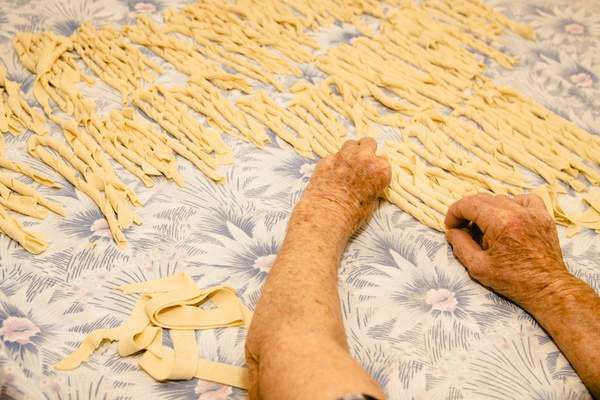
For many Italian and Italian-American families, Sunday dinner is not simply the largest meal of the week. It is a ritual: sauce simmering on the stove, relatives arriving with bread or dessert, children moving through the kitchen, and a table where nobody is expected to leave quickly. The food matters, but the deeper purpose is togetherness.
Italian Sunday dinner traditions differ from one region and household to another. Some families serve handmade pasta and slow-cooked ragù, while others gather around baked pasta, roast chicken, seafood, or seasonal vegetables. What connects these meals is their generous pace. Sunday offers a reason to cook with care, share stories, and turn an ordinary afternoon into something memorable.
Why Sunday Dinner Became So Important
Historically, Sunday was a day of rest, worship, family visits, and a more substantial meal than those served during the working week. Ingredients requiring extra preparation could be cooked slowly, and relatives who were busy on other days had time to gather. The meal became a dependable point when several generations could sit together.
The tradition also helped preserve regional identity. Italy’s food culture is intensely local, so a Sunday table in Sicily might look very different from one in Piedmont, Naples, Emilia-Romagna, or Tuscany. Recipes reflected nearby ingredients and each family’s history. Many Italian family recipes were taught through observation rather than written measurements: how the dough should feel, when the sauce is ready, or how much cheese is “enough.”
The Traditional Flow of the Meal
A classic Sunday dinner menu may unfold over several courses. Few modern households serve the full sequence every week, but the traditional order explains why the meal can continue for hours. Each course creates another pause for conversation.
Antipasti
Antipasti welcome people to the table with small, savoury bites. A spread might include olives, cured meats, cheeses, marinated vegetables, bruschetta, artichokes, or grilled peppers. It need not be elaborate. The point is to offer something to share while everyone settles in.
Primo
The primo is usually a starch-based first course, such as pasta, risotto, gnocchi, polenta, or soup. Sunday favourites include lasagne, ravioli, baked ziti, stuffed shells, pasta al forno, or pasta dressed with long-cooked ragù. Portions are often moderate because another substantial course follows.
Secondo and Contorni
The secondo centres on meat or fish. Depending on the region and season, it might be roast chicken, braised beef, pork, lamb, sausages, meatballs, or baked fish. In homes where meat cooks in tomato sauce, pasta may be served first with the sauce, followed by the meat on a separate platter.
Contorni are side dishes served with the secondo. Roasted potatoes, sautéed greens, green beans, fennel, peppers, artichokes, salad, or other seasonal vegetables add freshness and balance. They are often presented separately and passed around the table.
Dolce, Fruit, and Coffee
Dessert might be tiramisu, cannoli, crostata, panna cotta, gelato, or a homemade cake. An everyday Sunday gathering may simply end with fresh fruit or biscuits. Espresso usually follows, giving everyone another reason to remain seated and continue talking.
Italian-American Traditions and Sunday Sauce
Italian-American traditions grew from customs immigrants brought from different parts of Italy. As communities formed in the United States, regional recipes mixed together and adapted to new ingredients and lifestyles. Over time, certain dishes became strongly associated with the Italian-American Sunday table.
The best-known example is Sunday sauce, sometimes called Sunday gravy. It generally means tomato sauce cooked slowly with meats such as sausages, meatballs, pork ribs, beef, or braciole. Whether it should be called sauce or gravy depends largely on family usage, and the debate itself has become part of the tradition.
These meals also passed on identity. A grandmother might teach a child to shape meatballs without measuring, or a parent might explain which pasta belongs with a particular sauce. Through repetition, recipes became family history that could be tasted and carried forward.
Classic Dishes Worth Serving
There is no single correct Italian Sunday dinner menu, but certain combinations work especially well. Begin with olives, cheese, and marinated vegetables, then serve lasagne or pasta with ragù, followed by roast chicken and potatoes. Another menu could feature bruschetta, mushroom risotto, baked fish, sautéed greens, and lemon cake.
For an Italian-American-inspired gathering, serve antipasti followed by pasta with Sunday sauce, with the cooked meats presented afterward alongside salad or vegetables. If the earlier courses are rich, fresh fruit, coffee, and a few biscuits can be as satisfying as an elaborate dessert.
How to Recreate the Tradition at Home
You do not need six courses or an entire day of cooking. Capture the spirit with three thoughtful elements: something small to share, one comforting main dish, and an unhurried finish. Antipasti, baked pasta with salad, and fruit or cake are enough to create a welcoming Sunday meal.
Choose recipes that can be prepared ahead. Tomato sauce, braised meat, lasagne, meatballs, and many vegetable dishes often taste better after resting. Set the table before guests arrive, put bread and water within reach, and avoid planning another commitment immediately afterward.
Most importantly, keep the gathering relaxed. Success is not measured by the number of dishes, but by whether people feel welcome, well fed, and comfortable enough to linger.
Keeping Sunday Dinner Meaningful Today
Modern families may live far apart, work weekends, or follow different diets, so the tradition need not look exactly as it did generations ago. A monthly meal, rotating hosts, a shared pasta-making afternoon, or a video call with distant relatives can maintain the connection.
The menu can evolve too. Vegetable lasagne, lentil ragù, gluten-free pasta, grilled fish, or dairy-free dishes can sit comfortably beside older favourites. Traditions remain alive when they adapt to the people at the table rather than becoming rigid rules.
Frequently Asked Questions
What time is Italian Sunday dinner usually served?
Many families serve the main meal in the early or mid-afternoon, although timing varies. The defining feature is less the exact hour and more the expectation that the meal will be leisurely.
How many courses are in a traditional Italian Sunday dinner?
A full meal may include antipasti, primo, secondo, contorni, dolce, fruit, and coffee. Families often serve fewer courses or combine parts of the traditional sequence.
What is the most traditional Sunday dinner dish?
There is no single national dish because Italian cuisine is regional. Pasta with ragù, lasagne, baked pasta, stuffed pasta, roast meat, braised dishes, and seafood can all be traditional choices.
Are spaghetti and meatballs traditionally served together in Italy?
In Italy, meatballs are more often served separately or prepared according to local recipes. Spaghetti and meatballs became especially popular in Italian-American cooking and remains a cherished family favourite.
A Weekly Tradition Built Around Connection
Italian Sunday dinner traditions endure because they give families a regular reason to slow down. The pasta, sauce, roast, vegetables, and dessert create pleasure, but the real centre is the gathering. Whether you cook a multi-course feast or serve one treasured family recipe, the tradition lives in generous hospitality, shared memories, and the decision to stay at the table a little longer.