
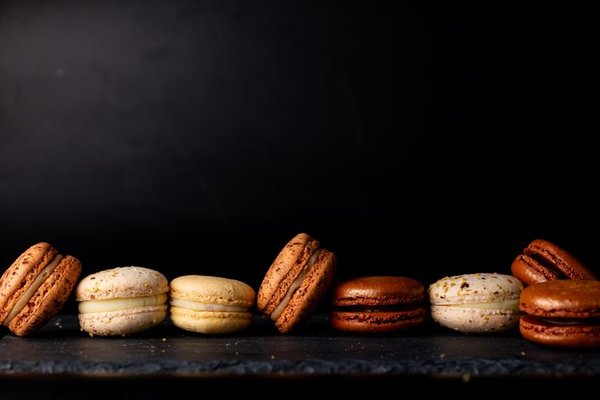
French pastry can look intimidating from the outside. Glossy fruit tarts, crisp choux buns, layered mille-feuille and perfectly flaky croissants all seem to demand professional-level precision. In reality, the best way to learn is simpler: understand a few core techniques, practise them one at a time, and choose recipes that teach transferable skills instead of chasing perfection immediately.
For beginners, French pastry is less about memorising dozens of recipes and more about building confidence with dough, temperature, texture and timing. Once those baking basics become familiar, many patisserie recipes start to feel like variations on the same small set of techniques.
Start with the right expectations
French pastry rewards accuracy more than improvisation. Measuring carefully and following the sequence of a recipe matters. A few extra grams of flour, butter that is too warm, or an oven opened too early can change the result.
Use a digital scale whenever possible. Weighing ingredients is more reliable than using cups, especially for flour and butter. Read the full recipe before starting so you know when dough needs chilling and which steps cannot be delayed.
Essential tools for beginner pastry baking
You do not need a professional kitchen. A digital scale, mixing bowls, whisk, silicone spatula, rolling pin, baking trays, parchment paper and a fine sieve will cover a large amount of beginner pastry work. A pastry brush and piping bag become useful as you move into glazes, choux pastry and decorative finishes.
An oven thermometer can also help because domestic ovens do not always match the temperature shown on the dial. Pastry often depends on controlled heat, so knowing the true oven temperature can explain uneven browning or slow baking.
Learn the main French pastry doughs one by one
Pâte brisée
Pâte brisée is a basic shortcrust-style pastry used for savoury and sweet tarts. It teaches an important lesson: avoid overworking the dough. Mix only until the ingredients come together, then chill before rolling. Too much handling can develop gluten and make the crust tougher.
Pâte sucrée
Pâte sucrée is a sweeter, more structured tart dough often used for fruit, lemon and chocolate tarts. Because it contains sugar and usually egg, it behaves more like a delicate biscuit dough than ordinary pie pastry. It is a useful next step after basic shortcrust.
Choux pastry
Choux pastry is the base for éclairs, profiteroles and Paris-Brest. The dough is cooked briefly in a saucepan before eggs are added. Steam then expands it in the oven and creates the hollow centre. Beginners often find choux approachable because there is no rolling or layering.
Laminated dough
Croissant dough is made by enclosing butter inside dough and repeatedly rolling and folding the layers. When baked correctly, steam separates those layers and creates the familiar flaky structure. It is worth learning, but it is not the ideal first project. Make several simpler pastries first so you are comfortable handling dough and judging texture.
Temperature control is a core pastry skill
Pastry often succeeds or fails because of temperature. Butter that should remain cold can soften into the dough, while chocolate or custards can react badly to careless heat.
For tart dough and croissant dough, cold butter is especially important. If the kitchen is warm and the dough becomes sticky, stop and chill it rather than adding lots of extra flour. That simple decision can protect the final texture.
Three beginner-friendly projects
Fruit tart with pastry cream
A simple fruit tart teaches several useful skills at once: making a sweet tart shell, blind baking, preparing pastry cream and arranging fruit. You can make the shell and cream ahead of time, which reduces pressure.
Profiteroles
Profiteroles are an excellent introduction to choux pastry. Pipe small rounds, bake until dry and crisp, then fill them with cream or pastry cream. Even if the shapes are not identical, you still learn how the dough should look before baking.
Madeleines
Madeleines are small sponge cakes rather than laminated pastry, but they are a useful entry point into French baking. The batter is straightforward, the bake is quick, and they help beginners practise accurate mixing and controlled baking.
A practical way to improve quickly
Instead of trying a completely new complicated recipe every weekend, repeat one technique. Make a tart shell twice in the same month. The first time, note whether it shrank, cracked or browned unevenly. On the second attempt, adjust one thing, such as chilling longer before baking.
Keep brief notes on oven temperature, chilling time and results. This turns mistakes into useful information and helps you learn how recipes behave in your own kitchen.
Common beginner mistakes
Rushing chilling time is one of the most common problems. Resting dough allows the gluten to relax and the butter to firm up. Skipping that step can cause shrinkage or spreading.
Another mistake is adding too much flour when dough feels sticky. Extra flour can change the texture, while chilling the dough is often a better solution. Overmixing is also common, especially with tart dough and cake batters.
Do not judge pastry only by appearance. A slightly uneven tart can still have excellent flavour and texture. Focus first on crispness, tenderness, rise and balance. Decorative precision can come later.
When should you try croissants?
Once you have successfully made tart dough and at least one choux recipe, croissant dough becomes a more realistic challenge. Choose a day when you can work slowly because lamination involves rolling, folding, chilling and proofing over several stages.
The key is keeping the butter flexible but cool. If it becomes too hard, it can crack inside the dough. If it becomes too soft, it can blend into the dough and destroy the layers. Learning that balance is one of the defining skills of laminated patisserie.
Frequently asked questions
What is the easiest French pastry for beginners?
Madeleines, simple fruit tarts and profiteroles are all good starting points. They teach useful techniques without requiring the extended lamination process used for croissants.
Do I need special French pastry flour?
No. Many beginner recipes work well with standard plain flour. Follow the flour type specified by the recipe, especially when you move into more advanced breads or laminated doughs.
Why does my tart dough shrink in the oven?
Shrinkage often happens when dough is overworked, stretched into the tin or baked before it has rested and chilled properly. Handle it gently and give it enough time to relax before baking.
How long does it take to get good at French pastry?
There is no fixed timeline. Most beginners improve quickly when they repeat core techniques rather than constantly changing recipes. Regular practice makes dough handling, piping and temperature control feel more natural.
Build skill before chasing perfection
French pastry becomes much less intimidating when you treat it as a set of learnable techniques. Start with accurate measuring, basic tart dough, choux pastry and simple creams. Pay attention to temperature, rest dough when required, and repeat recipes so you can recognise what changed.
Once those foundations are comfortable, croissants and more elaborate patisserie stop feeling like mysterious professional projects. They become the next logical step. Related topics worth exploring include pastry cream techniques, tart baking basics and a beginner guide to laminated dough.