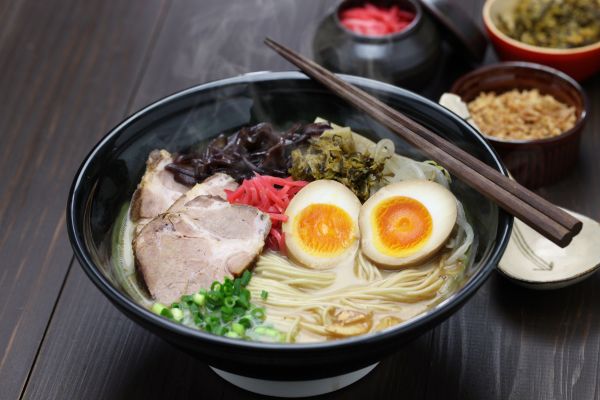
There’s something deeply comforting about a bowl of ramen. The steam rising from rich broth, the springy noodles tucked beneath slices of tender meat, the soft egg resting quietly on top — it feels less like fast food and more like a small ritual. In Japan, ramen is everywhere, from tiny alleyway shops to train stations and family kitchens. Yet despite its worldwide popularity, many people still assume ramen is difficult to make at home.
The truth is that Japanese ramen recipes can be surprisingly approachable once you understand the basics. You do not need a professional kitchen or years of culinary training to create satisfying bowls full of flavor and warmth. What matters more is patience, balance, and a willingness to experiment.
Homemade ramen also carries a certain personality. One bowl might lean smoky and rich, another light and salty with delicate toppings. Some nights call for slow-simmered broth; other evenings demand quick comfort after a long day. Both have their place.
Understanding What Makes Ramen Special
Ramen is more than noodles in soup. A proper bowl usually combines several layers that work together: broth, tare, noodles, toppings, and aromatic oils.
The broth forms the soul of the dish. It may be made from chicken, pork, seafood, vegetables, or a combination of ingredients simmered for hours. Tare, a concentrated seasoning base, gives the broth its identity. This is where soy sauce, miso, or salt-based flavor profiles emerge.
Noodles matter too. Japanese ramen noodles are typically firm with a slight chewiness that holds up against hot broth. Then come toppings — sliced pork, green onions, bamboo shoots, mushrooms, seaweed, corn, eggs, or whatever suits the style of bowl being created.
Once people understand these components, ramen suddenly feels less intimidating. It becomes flexible rather than rigid.
The Comfort of Shoyu Ramen
Among classic Japanese ramen recipes, shoyu ramen is often the easiest starting point for home cooks. “Shoyu” simply means soy sauce, and this style is known for its savory, balanced broth.
A good shoyu ramen begins with chicken stock or a mix of chicken and vegetable broth. Garlic, ginger, and onions simmer gently to create depth without overpowering the soup. Soy sauce adds saltiness and color, while a splash of mirin introduces subtle sweetness.
The beauty of shoyu ramen lies in restraint. It is flavorful but not heavy. Every ingredient has room to breathe.
Soft-boiled eggs work beautifully here, especially when marinated in soy sauce for a few hours. Thin slices of chicken or pork add richness, while green onions brighten the bowl right before serving.
Many home cooks discover that shoyu ramen becomes their weeknight favorite because it feels comforting without requiring an entire afternoon in the kitchen.
Miso Ramen and Its Rich Northern Flavor
Miso ramen has a completely different personality. Originating in colder northern regions of Japan, this style feels hearty and warming, almost like a winter blanket in edible form.
The broth begins similarly with stock, but miso paste transforms everything. White miso creates sweetness and mildness, while red miso delivers deeper, earthier flavors. Some cooks blend both to achieve balance.
Corn, bean sprouts, mushrooms, and ground pork commonly appear in miso ramen bowls. Butter is occasionally added too, melting slowly into the broth and giving it an unexpectedly luxurious finish.
One of the pleasures of making miso ramen at home is how forgiving it is. Unlike lighter broths that demand precision, miso welcomes experimentation. A little extra garlic or chili oil rarely hurts.
On cold evenings, few meals feel more satisfying than miso ramen eaten slowly while rain taps against the windows.
Tonkotsu Ramen and the Art of Patience
Tonkotsu ramen is famous for its creamy pork-bone broth. Unlike lighter ramen styles, tonkotsu carries bold richness that coats the mouth with every sip.
Making authentic tonkotsu from scratch is a commitment. Pork bones simmer for many hours — sometimes an entire day — until collagen and marrow create a cloudy, silky broth. The process can fill kitchens with powerful aromas that not everyone appreciates, but ramen enthusiasts often consider the effort worthwhile.
For home cooks with limited time, simplified versions exist. Combining store-bought stock with roasted pork bones and aromatics can create satisfying depth without requiring endless simmering.
Tonkotsu bowls usually include thin noodles, sliced chashu pork, wood ear mushrooms, scallions, and marinated eggs. Garlic oil or sesame oil often adds another layer of fragrance.
This style of ramen feels indulgent in the best possible way. It is rich, messy, and impossible to eat elegantly, which somehow makes it even better.
Vegetarian Ramen That Still Feels Deeply Satisfying
Some people assume ramen requires meat-heavy broth to taste authentic, but vegetarian versions can be remarkably flavorful when built thoughtfully.
Mushrooms are especially important here. Shiitake mushrooms create savory depth similar to slow-cooked meat broths. Kombu seaweed contributes umami richness, while roasted onions and garlic provide sweetness and complexity.
Miso works wonderfully in vegetarian ramen because it naturally adds body and depth. Soy milk is occasionally used in creamy vegetarian broths as well, producing a smooth texture without overwhelming the dish.
Toppings become even more important in meatless bowls. Crispy tofu, roasted mushrooms, spinach, bok choy, sweet corn, and chili crisp can transform simple ramen into something memorable.
Vegetarian Japanese ramen recipes often surprise people because the flavor feels layered and comforting rather than lacking.
The Importance of Noodles and Texture
Even excellent broth can feel disappointing if the noodles are wrong. Texture plays a huge role in ramen.
Fresh ramen noodles usually provide the best chew and bounce, though dried noodles work perfectly well for many homemade bowls. The key is avoiding overcooking. Ramen noodles continue softening after entering hot broth, so slightly firm noodles often produce better final texture.
Timing matters more than many beginners realize. Professional ramen shops frequently cook noodles separately and assemble bowls quickly to preserve texture.
Slurping, interestingly enough, is not considered rude in Japan. In fact, many people see it as part of enjoying ramen properly. The sound reflects enthusiasm while also cooling the noodles slightly as they enter the mouth.
It may feel awkward at first for some people, but eventually the experience becomes strangely satisfying.
Toppings That Bring a Bowl to Life
Toppings are where personality enters the bowl. Two people can start with identical broth and noodles yet create completely different meals through toppings alone.
Marinated eggs remain one of the most beloved additions. Their jammy centers blend beautifully into hot broth. Chashu pork, slowly braised until tender, adds richness and texture.
Nori seaweed contributes subtle ocean flavor, while bamboo shoots offer crunch. Scallions cut through heavier broths with freshness. Sesame seeds, chili oil, and pickled ginger can dramatically shift the character of a bowl in just a few bites.
Some home cooks become more obsessed with toppings than broth itself. That is part of ramen culture too — endless small variations shaped by mood, season, and personal taste.
Quick Ramen for Busy Evenings
Not every bowl needs to be a culinary project. Some of the best homemade ramen meals happen on ordinary weeknights using simple ingredients already sitting in the kitchen.
A quick broth made from stock, soy sauce, garlic, and ginger can come together in under twenty minutes. Adding leftover chicken, spinach, mushrooms, or a soft egg instantly makes instant noodles feel homemade and comforting.
Many people begin exploring Japanese ramen recipes this way. One shortcut bowl eventually leads to experimenting with homemade tare, slow-cooked pork, or fresh noodles.
Ramen has room for both convenience and craftsmanship.
Why Ramen Feels So Personal
Part of ramen’s lasting appeal comes from how adaptable it is. Every bowl tells a slightly different story.
Some recipes feel nostalgic because they remind people of travel memories or late-night meals shared with friends. Others become personal traditions cooked during cold weather or stressful weeks. Even imperfect homemade ramen carries warmth because effort and care become part of the flavor.
Unlike rigid fine dining, ramen invites adjustment. A little extra garlic here, more spice there, fewer toppings one evening, heavier broth another. Over time, many cooks stop following recipes exactly and start building bowls by instinct.
That is often when ramen becomes truly enjoyable.
Conclusion
Japanese ramen recipes offer far more than a quick meal. They represent comfort, creativity, patience, and the simple pleasure of building something deeply satisfying from layered ingredients.
Whether it is a light shoyu broth, rich tonkotsu, hearty miso ramen, or a vegetable-packed vegetarian bowl, homemade ramen creates a kind of quiet comfort that feels hard to replace. The process itself becomes part of the experience — simmering broth, preparing toppings, tasting and adjusting until the bowl feels just right.
In the end, ramen is not about perfection. It is about warmth, flavor, and the feeling that comes from sitting down with a steaming bowl that somehow manages to slow the world down for a little while.