Vietnamese street food is much bigger than the two dishes that usually introduce people to the cuisine. Move beyond pho and banh mi and you find crisp rice pancakes, smoky grilled pork, fresh rolls, sticky rice breakfasts and deeply regional noodle dishes. The appeal often lies in contrast: hot against cool, crunchy against soft, rich sauces balanced by herbs, lime and pickled vegetables.
These 10 Vietnamese street food dishes offer a wider picture of how people eat across the country. Some are tied to one city or region, while others appear in different forms nationwide. They are worth seeking out in Vietnam, ordering at a Vietnamese restaurant or adapting at home.
10 Vietnamese Street Food Dishes to Try
1. Banh Xeo
Banh xeo is a thin, savoury rice-flour pancake cooked until crisp around the edges. Turmeric gives the batter its familiar golden colour, while fillings often include shrimp, sliced pork and bean sprouts. Diners commonly tear or cut the pancake into pieces, wrap them with lettuce and herbs, then dip them into a seasoned sauce. At home, use a thin layer of batter and avoid overcrowding the pan if you want a crisp finish.
2. Goi Cuon
Goi cuon are fresh rice-paper rolls, sometimes called Vietnamese summer rolls or fresh spring rolls. A typical version combines rice vermicelli, herbs, lettuce, pork and shrimp inside translucent rice paper. Unlike fried spring rolls, goi cuon are soft, cool and refreshing. When making them yourself, wet the rice paper only briefly; it keeps softening while you add the filling.
3. Bun Cha
Bun cha is closely associated with Hanoi. Char-grilled pork patties and slices of pork are served with rice vermicelli, fresh herbs and a light, savoury-sweet dipping broth based on fish sauce. Diners combine noodles, herbs and pork bite by bite. The grilled aroma is a major part of the experience, so a barbecue or very hot grill pan works well for a home version.
4. Cao Lau
Cao lau is one of Hoi An’s signature dishes. It features thick, firm noodles with slices of pork, greens, herbs and crunchy elements, usually with only a modest amount of intensely flavoured liquid rather than a full bowl of soup. Its close connection to Hoi An also makes it a useful example of how strongly Vietnamese cooking changes from region to region.
5. Mi Quang
Mi Quang comes from central Vietnam, especially Quang Nam. Wide noodles are served with a small quantity of concentrated broth and toppings that may include pork, chicken, shrimp, egg, peanuts, herbs and crisp rice crackers. Turmeric often brings a warm yellow colour. Do not expect a soup like pho: the restrained broth helps the noodles, greens and crunchy garnishes stay distinct.
6. Banh Khot
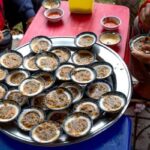
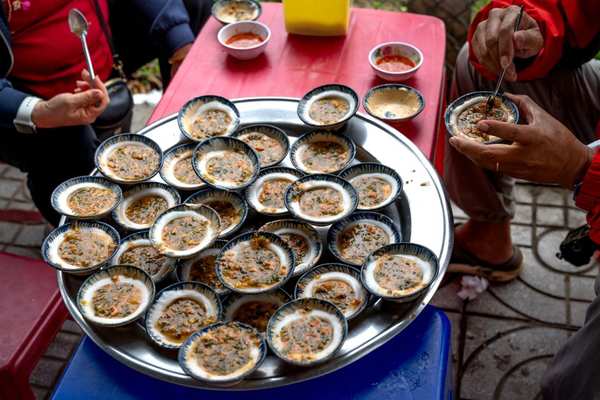
Banh khot are small savoury pancakes cooked in a moulded pan, often with a shrimp set into the centre. They resemble banh xeo in flavour but are thicker, smaller and designed for individual bites. Crisp edges, tender centres, herbs and dipping sauce make them an excellent sharing snack. They are especially associated with southern Vietnam, including Vung Tau.
7. Banh Cuon
Banh cuon are delicate steamed rice rolls commonly eaten for breakfast in northern Vietnam. A thin rice batter is steamed into a soft sheet, then rolled around a filling such as minced pork and wood-ear mushroom. Fried shallots, herbs and a light fish-sauce dressing add contrast. The combination of silky rice sheets, savoury filling and crisp shallots is the main attraction.
8. Com Tam
Com tam, or broken rice, is a southern favourite closely linked with Ho Chi Minh City. A common plate includes broken rice, grilled pork, pickled vegetables, cucumber and fish sauce, with additions such as egg or steamed egg-and-pork loaf. It is filling and suits anyone who wants the smoky appeal of street grilling without another noodle meal.
9. Bot Chien
Bot chien is a popular street snack made from pieces of rice-flour cake fried on a hot griddle until crisp, then cooked with egg and often spring onion. It is usually served with a savoury sauce and pickled vegetables. The browned exterior and soft, chewy centre create the appeal. Ready-made rice cakes from an Asian grocery store can make a home version much easier.
10. Xoi
Xoi is glutinous sticky rice eaten in savoury and sweet forms. Street vendors may serve savoury xoi with shredded chicken, pork, egg, mung bean or fried shallots, making it a practical breakfast or quick meal. Sweet versions can include beans, coconut and sugar. Xoi shows that Vietnamese street food can be sticky, sweet, savoury and comforting as well as fresh or fiery.
How to Choose What to Try First
If you love crisp textures, start with banh xeo, banh khot or bot chien. For something lighter, goi cuon is an obvious choice. Bun cha and com tam suit diners who enjoy grilled meat, while cao lau and mi Quang are especially rewarding if you want to explore central Vietnamese cooking. Banh cuon and xoi introduce the breakfast side of the street-food culture.
For a practical tasting menu at home, choose three dishes with different textures rather than making several similar noodle dishes. Fresh goi cuon can come first, banh xeo can be the crisp centrepiece, and a small sweet xoi can finish the meal. That simple combination gives a much broader sense of Vietnamese cooking.
Frequently Asked Questions
What Vietnamese street food should I try besides pho and banh mi?
Banh xeo, goi cuon, bun cha, mi Quang, cao lau, banh khot, banh cuon, com tam, bot chien and xoi are all strong choices. Pick according to whether you want noodles, rice, grilled meat, fresh rolls or something crispy.
Are Vietnamese street food dishes usually spicy?
Not necessarily. Many dishes rely more on herbs, fish sauce, lime, garlic, pickles and savoury broths than intense chilli heat. Chilli is often added to taste, although some central Vietnamese dishes can be noticeably spicier.
What is the difference between goi cuon and fried spring rolls?
Goi cuon use softened rice paper and are served fresh, commonly with herbs, vermicelli and shrimp or pork. Fried spring rolls are cooked until crisp and have a richer filling. Fried versions are often called cha gio in the south and nem ran in the north.
Which Vietnamese street food is easiest to make at home?
Goi cuon is among the simplest because it needs no deep-frying and the fillings are flexible. Xoi is also approachable if you can steam glutinous rice. Banh xeo takes more practice, but a non-stick pan, thin batter and moderate filling make it manageable.
A Broader Taste of Vietnam
These dishes show why Vietnamese food cannot be reduced to a couple of famous exports. Hanoi’s bun cha, Hoi An’s cao lau, central mi Quang and southern com tam each reflect different regional habits. Add crisp pancakes, fresh spring rolls, steamed rice sheets and sticky rice, and the variety becomes even clearer.
The next time you see a Vietnamese menu or plan a cooking weekend, look past the familiar favourites and choose something with a different texture or regional story. That is where some of the most memorable Vietnamese street food begins.