
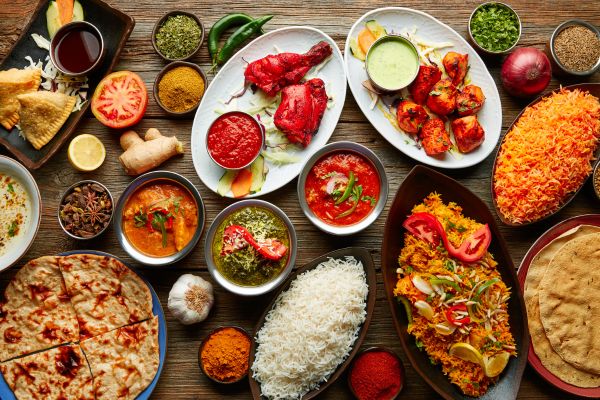
Indian sweets have a way of turning ordinary moments into celebrations. A small bowl of kheer after dinner, warm gulab jamun at a wedding, a piece of barfi during Eid or Diwali, or homemade halwa on a rainy evening — dessert in Indian cooking is rarely just about sugar. It carries memory, hospitality, family tradition, and that comforting feeling of being looked after.
What makes Indian dessert recipes so special is their range. Some are rich and festive, scented with saffron and cardamom. Others are humble and homely, made with pantry staples like milk, rice, flour, semolina, jaggery, coconut, or lentils. Many recipes have traveled across regions, picking up local flavors along the way. A sweet made in Punjab may taste completely different from one prepared in Bengal, Kerala, Gujarat, or Hyderabad, yet they all share the same generous spirit.
If you are new to Indian desserts, the variety can feel a little overwhelming at first. But once you understand the basic ingredients and textures, the world opens up beautifully. There are creamy puddings, syrup-soaked dumplings, fudge-like sweets, fried pastries, steamed treats, and slow-cooked halwas that fill the kitchen with fragrance long before they reach the table.
The Sweet Language of Indian Kitchens
Indian desserts are deeply connected to occasion. Some sweets are made for festivals, some for weddings, and others simply because guests are coming. In many homes, dessert is not always served as a separate course in the Western sense. It may appear with tea, after a meal, during prayers, or as something packed lovingly into a box for relatives.
Milk is one of the most common foundations in Indian sweets. It may be simmered until thick, curdled into paneer or chenna, reduced into khoya, or combined with rice, vermicelli, or nuts. Spices also play an important role, especially cardamom, saffron, cinnamon, nutmeg, and sometimes rose water or kewra. These flavors give Indian sweets their unmistakable aroma.
Sugar is common, of course, but jaggery is equally loved in many regional recipes. It brings a deeper, earthier sweetness that pairs especially well with coconut, sesame, peanuts, rice, and lentils. Ghee adds richness and a nutty warmth that makes even simple desserts feel festive.
Creamy Rice Kheer for Comforting Evenings
Kheer is one of the most loved Indian dessert recipes because it is simple, soothing, and endlessly adaptable. At its heart, kheer is a rice pudding made by slowly cooking rice in milk until the grains soften and the milk thickens. Sugar, cardamom, and nuts are added toward the end, creating a dessert that feels both delicate and comforting.
The secret to good kheer is patience. It should not be rushed. As the milk simmers, the rice releases starch, giving the pudding a naturally creamy texture. Some families like it thick enough to eat with a spoon, while others prefer it slightly loose and pourable. Both versions have their charm.
A small pinch of saffron can make kheer feel luxurious, while chopped almonds, pistachios, and raisins add texture. It can be served warm on a quiet night or chilled for a festive meal. Either way, kheer tastes like something made with care.
Gulab Jamun for Festive Sweetness
Gulab jamun is the dessert many people think of first when they imagine Indian sweets. Soft, golden dumplings are fried gently and then soaked in fragrant sugar syrup flavored with cardamom, rose water, or saffron. When made well, each piece is tender enough to break with a spoon and juicy enough to release syrup with every bite.
Traditional gulab jamun is often made with khoya, a milk solid created by reducing milk slowly. Modern home cooks sometimes use milk powder for convenience, and it can work beautifully when handled gently. The dough should be soft but not overworked, because too much kneading can make the dumplings dense.
The syrup also matters. It should be warm, not boiling, when the fried jamuns are added. This allows them to soak evenly without falling apart. Gulab jamun is rich, sweet, and unapologetically celebratory. It belongs on special tables, but honestly, no one complains when it appears on an ordinary day too.
Gajar Ka Halwa with Winter Warmth
Gajar ka halwa, or carrot halwa, is a winter favorite in many Indian and Pakistani homes. Fresh carrots are grated and cooked slowly with milk, sugar, ghee, and cardamom until they become soft, glossy, and deeply flavorful. The color alone is enough to brighten a cold evening.
The best carrot halwa has balance. It should be rich but not greasy, sweet but not overwhelming, soft but not mushy. Red winter carrots are traditionally preferred because they have a natural sweetness and vibrant color, but regular carrots can still produce a delicious version.
As the carrots cook down, the milk reduces and clings to them, creating a thick, almost jammy texture. A handful of nuts adds crunch, while a little khoya can make the halwa more festive. Served warm, gajar ka halwa feels like a bowl of comfort that has been slowly built, layer by layer.
Rasgulla and the Beauty of Lightness
Not all Indian sweets are heavy. Rasgulla, a famous Bengali dessert, is light, spongy, and gently sweet. It is made from chenna, which is fresh curdled milk, shaped into balls and cooked in sugar syrup until soft and airy.
Rasgulla requires a careful touch. The chenna must be drained well but not dried out completely. It needs to be kneaded until smooth, then shaped without cracks. When cooked properly, the balls expand in the syrup and develop their signature bounce.
Unlike dense milk sweets, rasgulla feels fresh and almost playful. It is often served chilled, making it especially pleasant after a rich meal. Its simplicity is deceptive, though. A good rasgulla depends on technique, timing, and the right texture of chenna.
Besan Ladoo for Nutty Homemade Flavor
Besan ladoo is one of those sweets that makes a home smell wonderful. Gram flour is roasted slowly in ghee until it turns golden and releases a warm, nutty aroma. Once cooled slightly, it is mixed with sugar and cardamom, then shaped into round ladoos.
The roasting stage is everything. If the besan is undercooked, the ladoos taste raw. If it is cooked too quickly, it may burn before developing flavor. Slow stirring is the old-fashioned method, and it is still the best one.
Besan ladoo keeps well, which makes it perfect for festivals, gifting, or preparing ahead of time. It is firm yet soft, rich yet not too complicated. Among Indian dessert recipes, this one stands out for its homely charm.
Jalebi for Crisp, Syrupy Joy
Jalebi is bright, crisp, sticky, and impossible to ignore. Made by piping fermented batter into hot oil in spiral shapes, then dipping the fried coils into sugar syrup, jalebi is loved across South Asia. It is often eaten warm, sometimes with milk, rabri, or even breakfast dishes in certain regions.
The appeal of jalebi lies in contrast. The outside is crisp, while the inside holds syrup. The flavor is sweet with a slight tang if the batter is fermented properly. A little saffron or cardamom in the syrup adds fragrance, though the real magic is in the texture.
Making jalebi at home takes practice, especially when forming the spirals. The first few may look uneven, but that is part of the fun. Once the batter, oil temperature, and syrup consistency come together, homemade jalebi feels like a small kitchen victory.
Coconut Barfi for Simple Celebrations
Coconut barfi is one of the easier Indian sweets to prepare, which makes it a good choice for beginners. Fresh or desiccated coconut is cooked with sugar and milk until it thickens, then spread into a tray and cut into squares or diamonds.
The flavor is clean and fragrant, especially when cardamom is added. Some versions include condensed milk for a quicker method, while others use jaggery for a deeper taste. In South Indian homes, coconut-based sweets are especially common, often appearing during festivals and family gatherings.
Coconut barfi does not demand too much drama. It is sweet, soft, slightly chewy, and lovely with tea. Sometimes the simplest recipes are the ones people remember most.
Shahi Tukda for Royal Indulgence
Shahi tukda is a rich dessert made with fried bread, thickened milk, sugar syrup, nuts, and often saffron. The name itself suggests something royal, and the taste lives up to it. Each bite is creamy, crisp at the edges, sweet, and fragrant.
This dessert is especially associated with Mughlai-style cooking and is often served during festive meals. The bread is usually fried in ghee until golden, dipped lightly in syrup, and topped with rabri, a slow-cooked thickened milk. Almonds and pistachios finish it beautifully.
Shahi tukda is not an everyday dessert, and that is part of its appeal. It is meant to feel indulgent. Served in small portions, it brings a sense of occasion to the table.
Phirni for a Fragrant Finish
Phirni is another milk-and-rice dessert, but it differs from kheer in texture. Instead of whole rice grains, soaked rice is ground into a coarse paste and cooked with milk until thick and smooth. It is often served chilled in small clay bowls, which give it a lovely earthy aroma.
The texture of phirni is silky but slightly grainy in the best way. Cardamom, saffron, rose water, or pistachios can be used for flavor. It is elegant without being fussy and works beautifully after spicy meals because it cools the palate.
Phirni is a reminder that Indian desserts can be refined and gentle, not only rich and intense.
Bringing Indian Desserts Into Your Own Kitchen
Trying Indian dessert recipes at home does not mean you need to master everything at once. Start with one recipe that matches your comfort level. Kheer, coconut barfi, and besan ladoo are good starting points. Gulab jamun, rasgulla, and jalebi may take more practice, but they are worth the effort if you enjoy learning technique.
It also helps to understand that Indian sweets are flexible in home kitchens. Families adjust sugar, nuts, spices, and texture according to taste. Some like their desserts very sweet, while others prefer a lighter hand. Some use saffron generously; others save it for special days. There is no single “perfect” version. There is the version that tastes right to you.
The best Indian desserts are not only cooked; they are watched, stirred, smelled, tasted, and adjusted. That is what gives them character.
Conclusion: Sweet Traditions Worth Savoring
Indian desserts are more than recipes written on a page. They are stories passed through kitchens, festivals, family visits, and quiet evenings when something sweet feels necessary. From the creamy comfort of kheer to the syrupy joy of gulab jamun, from the warmth of gajar ka halwa to the delicate softness of rasgulla, each dessert carries its own mood and memory.
What makes Indian dessert recipes worth trying is not just their flavor, but the experience of making them. The slow simmer of milk, the smell of roasted besan, the shine of ghee, the fragrance of cardamom, the first warm bite — these are small pleasures that stay with you.
Whether you begin with a simple coconut barfi or take on the challenge of homemade jalebi, Indian sweets invite patience and reward it generously. They remind us that dessert can be festive, comforting, nostalgic, and deeply personal all at once.