
African chicken recipes have a way of bringing warmth to the table before the first bite is even taken. The smell of toasted spices, simmering tomatoes, smoky peppers, garlic, onions, fresh herbs, and slow-cooked chicken can fill a kitchen with the kind of comfort that feels both exciting and familiar. Across the African continent, chicken is cooked in countless ways, shaped by local ingredients, regional traditions, family habits, and the kind of bold seasoning that makes every dish memorable.
What makes these recipes so special is not just the heat, although spice often plays a beautiful role. It is the layering of flavor. A simple chicken stew might carry the sweetness of onions, the sharpness of ginger, the richness of ground peanuts, and the smoky depth of dried peppers. A grilled chicken dish may seem straightforward at first, but after marinating in citrus, chili, herbs, and spices, it becomes something deeply aromatic and full of personality.
African chicken recipes are not one single style of cooking. They stretch from North African tagines fragrant with cinnamon and preserved lemon to West African peanut stews, East African coconut curries, and Southern African peri-peri grilled chicken. Each dish tells a different story, yet they all share a love for seasoning generously and cooking with patience.
The Bold Character of African Chicken Cooking
Chicken is a favorite ingredient in many African homes because it adapts so well to strong flavors. It can be grilled over open flames, simmered slowly in sauce, roasted with spice pastes, or cooked into rice dishes where every grain absorbs the juices. Instead of relying on complicated techniques, many African chicken recipes focus on building flavor from everyday ingredients.
Onions, garlic, ginger, tomatoes, chilies, and spices often form the base. These ingredients are cooked down until they become rich and almost jammy, creating a sauce that clings to the chicken. In some regions, palm oil or groundnut paste adds depth. Elsewhere, coconut milk softens the heat and gives the dish a creamy finish. Lemon juice, vinegar, or tamarind may bring brightness, cutting through the richness so the flavors stay lively.
The result is food that feels generous. These are not quiet dishes. They are made to be shared, passed around, eaten with rice, flatbread, couscous, plantains, or soft pieces of bread used to scoop up the sauce.
West African Chicken Stew with Tomato and Pepper
One of the most loved styles of African chicken cooking is the rich tomato and pepper stew found in many West African kitchens. It usually begins with blended tomatoes, red bell peppers, onions, and hot peppers. This mixture is cooked slowly until the moisture reduces and the flavor becomes concentrated.
Chicken pieces are often seasoned first with salt, garlic, ginger, curry powder, thyme, paprika, and sometimes a little stock powder. Some cooks fry or brown the chicken before adding it to the stew, while others let it simmer directly in the sauce. Either way, the chicken absorbs the deep red stew and becomes tender.
This kind of stew is bold but balanced. The tomatoes bring brightness, the peppers add sweetness and heat, and the slow cooking gives everything a rich, rounded taste. It is often served with jollof rice, white rice, fried plantains, boiled yams, or even bread. It is the type of dish that tastes even better the next day, once the spices have settled and the sauce has thickened.
Peri-Peri Chicken with Smoky Heat
Peri-peri chicken is one of the most famous African-inspired chicken dishes, especially associated with Southern African and Portuguese-African cooking traditions. The star of the recipe is the peri-peri chili, also known as African bird’s eye chili, which gives the marinade its fiery kick.
A classic peri-peri marinade usually includes chilies, garlic, lemon juice, vinegar, paprika, oil, salt, and herbs. Some versions add onion, bay leaves, oregano, or a little sugar to round out the sharp edges. The chicken is marinated for several hours, then grilled, roasted, or charred over flame until the skin is crisp and the meat is juicy.
What makes peri-peri chicken so satisfying is the contrast. The outside becomes smoky and slightly charred, while the inside stays tender. The lemon and vinegar cut through the heat, so the spice feels bright rather than heavy. Served with rice, fries, salad, or grilled vegetables, peri-peri chicken is lively, simple, and full of energy.
North African Chicken Tagine with Warm Spices
In North Africa, chicken often takes on a different kind of warmth. Instead of relying only on chili heat, dishes may use cinnamon, cumin, coriander, turmeric, saffron, ginger, and preserved lemon. A chicken tagine, especially in Moroccan cooking, is a beautiful example of how savory and slightly sweet flavors can come together.
Chicken is cooked slowly with onions, spices, olives, and preserved lemons until the meat becomes tender and fragrant. Some versions include dried apricots, prunes, or raisins, adding a gentle sweetness that works surprisingly well with the salty olives and citrusy lemon. The sauce is not always heavy, but it is deeply aromatic.
This dish is often served with couscous or bread, allowing every bit of sauce to be enjoyed. It feels elegant but comforting, the kind of meal that fills the house with a soft, spiced aroma. Unlike fiery chicken dishes, North African tagine offers warmth in a more subtle way, with layers that unfold slowly as you eat.
East African Coconut Chicken Curry
Along the East African coast, especially in areas influenced by Swahili cooking, coconut milk plays a major role in chicken dishes. The result is a softer, creamier style of African chicken recipe that still carries plenty of spice.
A coconut chicken curry often begins with onions, garlic, ginger, tomatoes, and spices such as cumin, coriander, turmeric, cardamom, or cloves. Chicken is added and simmered with coconut milk until the sauce becomes smooth and fragrant. Fresh cilantro, lime juice, or green chilies may be added near the end for freshness.
This style of chicken is rich without feeling too heavy. The coconut milk calms the heat and gives the sauce a silky texture, while the spices keep it from becoming flat. It pairs beautifully with rice, chapati, or soft flatbread. There is something especially comforting about this dish, perhaps because the flavors are bold but rounded, spicy but gentle at the same time.
Groundnut Chicken Stew with Deep Comfort
Groundnut stew, often made with peanuts or peanut butter, is another classic found in different forms across West and Central Africa. When chicken is cooked in a groundnut sauce, the result is hearty, earthy, and deeply comforting.
The dish usually begins with onions, tomatoes, garlic, ginger, and chilies. Peanut paste or natural peanut butter is stirred into the sauce, creating a thick, nutty base. Chicken simmers slowly until tender, and vegetables such as sweet potatoes, spinach, carrots, or okra may be added depending on the region and home cook.
The flavor is rich and slightly smoky, with gentle heat from chilies and a creamy texture from the peanuts. It is often served with rice, fufu, or other starchy sides that help balance the sauce. This is not a light, quick dish. It is the kind of food that feels grounding, especially on cooler days or when you want a meal that truly satisfies.
Grilled African Chicken with Herb and Spice Marinade
Not every African chicken dish needs a heavy sauce. Grilled chicken is a favorite across many regions, especially when marinated well. A good African-style grilled chicken marinade might include garlic, ginger, lemon juice, chili, paprika, cumin, coriander, black pepper, thyme, and oil.
The secret is time. Letting the chicken sit in the marinade allows the flavors to soak into the meat. When grilled over charcoal or high heat, the spices toast on the surface, creating a smoky crust. Even a simple marinade can become deeply flavorful once it meets fire.
This kind of chicken works well for outdoor meals, family gatherings, or easy weeknight dinners. It can be served with salads, rice, roasted vegetables, flatbread, or spicy sauces on the side. The flavor is direct and satisfying, with enough spice to feel exciting but enough freshness to keep it balanced.
Chicken Jollof Rice for a One-Pot Feast
Chicken and rice appear together in many African kitchens, and jollof rice is one of the most iconic examples. Although recipes vary from country to country, jollof usually begins with a tomato and pepper base cooked with onions, spices, and stock. Rice is added to the sauce and cooked until it absorbs all that flavor.
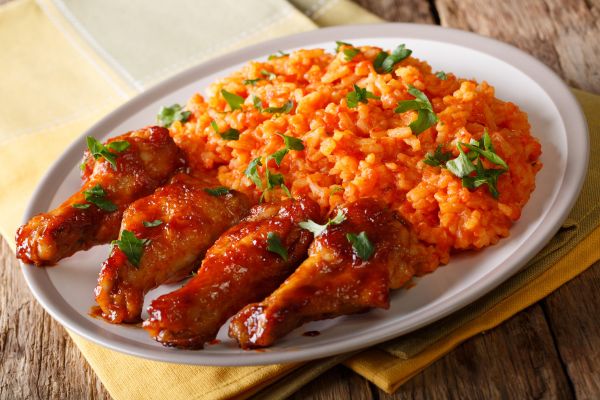
Chicken may be cooked separately and served on top, or it may be simmered along with the rice. Either way, the combination is rich, colorful, and satisfying. The rice takes on a reddish-orange color from the tomatoes and peppers, while the chicken adds savory depth.
Jollof rice is more than just a side dish. With chicken, it becomes a complete meal. It is festive enough for celebrations but familiar enough for everyday eating. Every cook has their own version, and many people have strong opinions about what makes the best jollof. That is part of its charm.
Simple Tips for Cooking African Chicken Recipes at Home
The best way to approach African chicken recipes is to respect the seasoning process. Do not rush the onions. Let tomato sauces cook down properly. Give marinades enough time. Taste as you go, especially when using chilies, because heat levels can change quickly.
Fresh garlic and ginger make a big difference. Whole spices, when toasted lightly, can bring extra depth. If a recipe calls for blending peppers and tomatoes, allow that mixture to reduce until the raw taste disappears. This step is often what separates a thin sauce from a rich, flavorful one.
It also helps to think about balance. If a dish is very spicy, add brightness with lemon or vinegar. If it is rich with peanuts or coconut milk, fresh herbs can lift it. If the sauce tastes too sharp, a little longer cooking may soften it. African cooking often rewards patience, but it does not demand perfection. It is practical, generous, and full of room for personal taste.
Why African Chicken Recipes Feel So Memorable
Part of the beauty of African chicken recipes is their range. One dish might be fiery and smoky, another creamy and mild, another fragrant with warm spices and citrus. Yet they all carry a sense of abundance. They are made with care, with bold ingredients, and with the understanding that food should bring people closer.
These recipes also show how much flavor can come from simple ingredients when they are handled well. Tomatoes, onions, peppers, garlic, spices, and chicken may sound ordinary on their own. But when cooked with attention, they become something layered and deeply satisfying.
For anyone looking to bring more variety into home cooking, African chicken dishes are a wonderful place to begin. They invite you to taste beyond the usual, to use spice with confidence, and to enjoy food that feels alive on the plate.
Conclusion
African chicken recipes are spicy, flavorful, and wonderfully diverse, but their real appeal goes beyond heat. They are about depth, comfort, fragrance, and the pleasure of sharing a meal that feels full of life. From smoky peri-peri chicken to creamy coconut curry, rich groundnut stew, tomato-based West African chicken stew, and aromatic North African tagine, each dish brings its own character to the table.
Cooking these recipes at home does not require perfect technique or rare ingredients. It asks mostly for patience, good seasoning, and a willingness to let flavors build slowly. That is where the magic happens. A humble chicken dish becomes bold, warm, and memorable, carrying the spirit of a continent known for food that is generous, colorful, and deeply rooted in tradition.