Sautéing is one of those kitchen skills that looks simple from the outside. A pan, a little oil, a handful of ingredients, and a few quick movements over the heat. Yet anyone who has ended up with soggy vegetables, pale chicken, burnt garlic, or mushrooms swimming in liquid knows there is more going on than meets the eye.
Learning how to sauté is really about learning how heat, fat, timing, and movement work together. It is not a complicated technique, but it does ask for attention. Once you understand the rhythm of it, sautéing can change the way you cook. Weeknight vegetables taste brighter. Chicken browns instead of steaming. Onions become sweet and golden. Even a simple pan of garlic and greens can feel like something made with care.
The beauty of sautéing is that it is fast, flexible, and deeply useful. You do not need restaurant equipment or fancy ingredients. You need a good pan, the right heat, and the confidence to let food cook properly before you interfere with it.
What Sautéing Really Means
The word sauté comes from the French word meaning “to jump,” which describes the way food moves in a hot pan. In everyday cooking, sautéing means cooking food quickly in a small amount of fat over medium-high or fairly high heat. The goal is to brown the outside, develop flavor, and keep the inside tender.
Sautéing is different from frying because it uses less oil. It is different from simmering because the food is not cooked in liquid. It is also different from steaming, though food can accidentally steam in a sauté pan if the pan is overcrowded or not hot enough.
At its best, sautéing gives food color, aroma, and texture. That golden edge on sliced mushrooms, the soft sweetness of onions, the light char on green beans, the browned surface of chicken pieces — these are all signs that the pan is doing its job.
The Pan Matters More Than You Think
A good sauté begins before the food touches the heat. The pan you choose affects how evenly food cooks and how much space the ingredients have. A wide, heavy-bottomed skillet is often ideal because it holds heat well and gives ingredients room to spread out.
Crowding the pan is one of the most common mistakes. When too much food is packed together, moisture gets trapped. Instead of browning, the ingredients release steam and soften. This is why mushrooms, zucchini, and onions can turn watery if cooked in a pan that is too full.
If you have a lot of food to cook, it is better to work in batches. It may feel slower at first, but the final result is usually much better. A properly sautéed batch takes only a few minutes, while an overcrowded pan can drag on and still never develop the flavor you want.
Nonstick pans can work well for delicate foods like eggs or fish, but stainless steel or cast iron often gives better browning. The key is not owning every type of pan. It is understanding what your pan does and giving it enough time to heat.
Heat Is the Heart of Sautéing
Heat is where sautéing becomes interesting. Too low, and food turns limp before it browns. Too high, and the outside burns before the inside cooks. The sweet spot is usually medium-high heat, though it depends on the ingredient and the pan.
A simple way to begin is to preheat the pan before adding oil. The pan should feel hot when your hand is held a few inches above it, but it should not be smoking wildly. Once the pan is hot, add the oil and let it shimmer. That shimmer is a useful sign. It means the oil is hot enough to coat the food and begin cooking immediately.
If food is added too soon, it may stick or absorb oil rather than sear. If the oil is smoking heavily, the pan may be too hot, especially for ingredients like garlic, spices, or butter. Sautéing is quick, but it should not feel frantic. You want lively heat, not chaos.
Choosing the Right Fat
Fat helps transfer heat, prevents sticking, and adds flavor. For sautéing, you only need enough to lightly coat the bottom of the pan. Too much oil makes food greasy, while too little can cause uneven browning or sticking.
Neutral oils are useful for higher-heat sautéing because they can handle heat without burning quickly. Olive oil is popular for vegetables, onions, and Mediterranean-style dishes, though it should be watched carefully over strong heat. Butter adds wonderful flavor, but it burns more easily because of its milk solids. Many cooks use a mix of butter and oil when they want both flavor and a little more heat tolerance.
The fat should match the food. Garlic sautéed gently in olive oil tastes warm and fragrant. Mushrooms cooked in butter become rich and earthy. Chicken pieces browned in a neutral oil can later take on herbs, spices, lemon, or sauce. There is no single correct choice, but there is always a thoughtful one.
Cutting Food for Even Cooking
When learning how to sauté, knife work matters more than people expect. Ingredients should be cut into pieces that cook at roughly the same speed. If some pieces are thick and others are thin, the smaller ones may burn before the larger ones are tender.
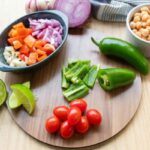
Vegetables like bell peppers, carrots, onions, zucchini, and green beans all behave differently in a hot pan. Harder vegetables need thinner cuts or a little more time. Softer vegetables cook quickly and may need less movement. Meat should be cut into even pieces so it browns without drying out.
Drying ingredients before cooking also helps. Wet vegetables or damp meat will release extra moisture into the pan. That moisture lowers the temperature and encourages steaming. A quick pat with a towel can make a real difference, especially with mushrooms, chicken, fish, or tofu.
The Art of Not Stirring Too Much
It feels natural to keep stirring food in a hot pan. The sound is satisfying, and it gives the impression that you are cooking actively. But sautéing often rewards patience. Food needs contact with the hot surface to brown. If it is moved constantly, it may cook, but it will not develop much color.
The trick is to stir with purpose. Let the food sit for a short time, then toss or stir. Give it another moment, then move it again. Onions may need slower, more occasional stirring if you want them soft and golden. Green vegetables may need quicker movement to stay bright. Small pieces of chicken or beef need time to brown on one side before turning.
This is one of those small cooking habits that changes everything. Browning is flavor. Let the pan do some of the work.
Garlic, Herbs, and Seasoning Timing
Garlic is delicious, but it is also easy to burn. Many beginners add garlic at the start, only to find it bitter by the time the rest of the food is cooked. In many sautéed dishes, garlic is better added after firmer ingredients have had a chance to soften or brown. It may only need thirty seconds to a minute to become fragrant.
Fresh herbs are also sensitive. Delicate herbs such as parsley, basil, cilantro, or dill are usually best added near the end. Sturdier herbs like rosemary or thyme can handle more heat and may be added earlier, especially when cooking meat or mushrooms.
Salt is another detail worth noticing. Salting early can draw moisture out of vegetables, which may be useful for onions but less helpful for foods you want to brown quickly. Sometimes it is best to season lightly at the beginning and adjust near the end. Taste, pause, and season again if needed.
Vegetables, Meat, and Mushrooms Each Need Their Own Touch
Sautéing is one method, but not every ingredient wants the same treatment. Vegetables with high water content, such as zucchini or mushrooms, need space and strong heat so their moisture evaporates quickly. Leafy greens cook fast and shrink dramatically, so they need only a short time in the pan.
Meat usually needs a hot pan and enough space to brown. If pieces are crowded, they release juices and lose that golden surface. Once browned, they can be finished with aromatics, a splash of stock, lemon juice, or a small knob of butter.
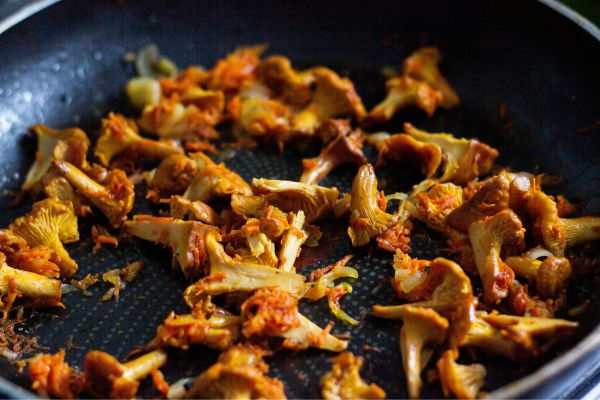
Mushrooms deserve special mention because they often confuse home cooks. At first, they absorb oil and look dry. Then they release water. If you keep cooking, that water evaporates and the mushrooms begin to brown. Many people stop too early. Give mushrooms time, and they reward you with deep, savory flavor.
A Simple Technique With Endless Possibilities
The reason sautéing is so valuable is that it fits almost any style of cooking. You can sauté onions and spices as the base of a curry. You can sauté garlic and greens for a quick side dish. You can brown chicken, add vegetables, and finish with a simple sauce. You can cook mushrooms for toast, pasta, rice bowls, omelets, or warm salads.
Once the basic technique feels natural, recipes become easier to understand. You start to notice why some ingredients go in first and others go in later. You learn when to raise the heat, when to lower it, and when to leave the pan alone. Cooking becomes less about blindly following instructions and more about watching what is happening.
That is the quiet confidence sautéing gives you. It teaches attention.
Conclusion
Mastering how to sauté is not about flashy pan tossing or perfect restaurant-style moves. It is about understanding a few honest kitchen principles. Use a hot pan. Choose the right amount of fat. Give ingredients enough space. Cut food evenly. Let browning happen. Add delicate ingredients at the right time. Taste as you go.
Sautéing is quick, but it is not careless. It asks you to stay present for a few minutes and notice the sound, smell, color, and texture of food changing in the pan. With practice, those small signals become familiar. A simple skillet of vegetables or a quick piece of chicken starts to feel less ordinary.
In the end, sautéing is one of the most useful cooking skills because it turns everyday ingredients into food with warmth, flavor, and life. Once you learn the rhythm, it becomes something you return to again and again.