
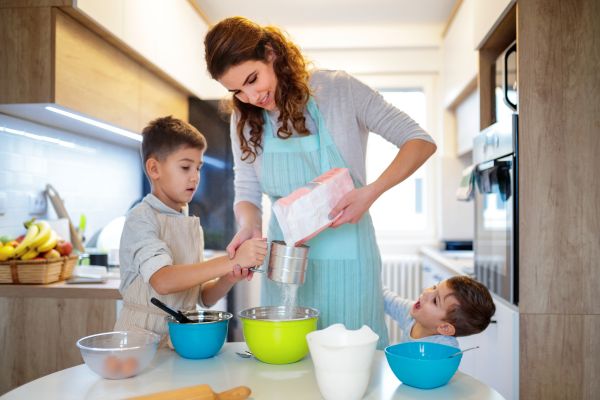
The Quiet Joy of Baking Well
Learning how to bake can feel a little mysterious at first. Cooking often lets you taste, adjust, and improvise as you go, but baking asks for a different kind of attention. A spoonful too much flour, butter that is too cold, or an oven that runs hotter than expected can change the final result. Still, that does not mean baking has to feel strict or intimidating. At its best, baking is calm, sensory, and surprisingly forgiving once you understand the basics.
Whether you want to make soft cakes, golden cookies, tender muffins, or a simple loaf of bread, the same foundations show up again and again. Good baking is not about fancy tools or complicated tricks. It is about knowing what ingredients do, reading a recipe carefully, and giving the process enough patience to work.
Start With the Recipe Before the Mixing Bowl
One of the easiest mistakes in baking is rushing straight into the ingredients. A recipe is not just a list of items; it is a map. Before you measure anything, read the full recipe from beginning to end. Notice whether butter should be softened, melted, or cold. Check if eggs need to be at room temperature. Look at oven temperature, pan size, resting time, and cooling instructions.
This small habit saves a lot of frustration. If a cake batter needs room-temperature butter but yours is still hard from the fridge, you already know to wait. If dough needs chilling before baking, you will not be surprised halfway through. Baking rewards preparation in a quiet, very practical way.
Understand What Your Ingredients Are Doing
When people ask how to bake better, the answer often begins with ingredients. Flour gives structure. Sugar sweetens, but it also keeps baked goods moist and helps with browning. Eggs bind ingredients together and add richness. Butter brings flavor, tenderness, and sometimes lift, especially when creamed with sugar. Baking powder and baking soda create rise, but they are not interchangeable in every recipe.
Even salt matters more than beginners expect. A small amount sharpens flavor and keeps sweet bakes from tasting flat. Vanilla, spices, citrus zest, cocoa, and extracts build personality, but the base ingredients are what decide the texture.
Once you understand this, baking becomes less confusing. A dense cake may mean too much flour, overmixing, old leavening, or an oven issue. Dry muffins may come from baking too long or measuring flour too heavily. The more you learn what each ingredient contributes, the easier it becomes to spot where things went sideways.
Measure With Care, Especially Flour
Baking is not about being fussy for the sake of it. It is precise because small changes matter. Flour is the biggest troublemaker for many home bakers. If you scoop it straight from the bag with a measuring cup, it can pack down and give you far more flour than the recipe intended. That extra flour can make cakes dry, cookies heavy, and bread stiff.
The best method is to use a kitchen scale, especially for flour. If you do not have one, fluff the flour with a spoon, spoon it gently into the measuring cup, and level it off with a flat edge. Do not shake or press it down.
Liquids should be measured in liquid measuring cups at eye level. Brown sugar is usually packed unless the recipe says otherwise. Butter should be measured according to the markings on the wrapper or weighed if you want extra accuracy. These little details may not feel exciting, but they make the final bake much more reliable.
Temperature Matters More Than You Think
Temperature affects almost every stage of baking. Softened butter creams properly with sugar, trapping air that helps cakes rise and cookies become tender. Cold butter creates flaky layers in biscuits, scones, and pastry. Room-temperature eggs blend more smoothly into batters. Warm liquid wakes yeast in bread dough, while liquid that is too hot can damage it.
The oven temperature matters just as much. Many ovens run a little hot or cool, even when the dial says otherwise. If your cakes sink, cookies spread too much, or edges brown before the center is done, an oven thermometer can be surprisingly useful.
Preheating is also important. Sliding a cake into an oven that has not fully heated can affect rise and texture. Give the oven enough time, and try not to open the door too often while baking. That quick peek can release heat and disturb delicate batters, especially cakes and soufflé-style bakes.
Mixing Is Where Texture Begins
Mixing seems simple, but it shapes the whole bake. For cakes and cookies, creaming butter and sugar properly creates lightness. The mixture should become paler and fluffier, not just combined. When eggs are added, they should go in gradually so the batter stays smooth.
Once flour enters the bowl, the mood changes. Overmixing after adding flour can develop gluten, which is useful in bread but not ideal in tender cakes, muffins, or quick breads. This is why many recipes say to mix until just combined. A few small streaks of flour are often better than a batter beaten into toughness.
For muffins and pancakes, a slightly lumpy batter is normal. For bread, mixing and kneading develop strength and elasticity. Different bakes need different handling, and learning that difference is a big part of learning how to bake with confidence.
Choose the Right Pan and Prepare It Properly
Pan size affects baking time and texture. A cake baked in a pan that is too small may overflow or stay underdone in the center. A pan that is too large can produce a thin, dry result. Follow the recipe as closely as possible, especially when you are still learning.
Preparation matters too. Greasing, lining with parchment, dusting with flour, or using paper cases helps baked goods release cleanly. For cakes, lining the bottom of the pan with parchment can save heartbreak. There are few kitchen disappointments quite like a beautiful cake that refuses to come out in one piece.
Dark metal pans brown faster than light-colored pans. Glass dishes hold heat differently. Silicone can slow browning. These differences are not always dramatic, but they are worth noticing as you bake more often.
Know When It Is Actually Done
Baking times are guides, not absolute rules. Your oven, pan, ingredient temperature, and even weather can affect timing. Instead of relying only on the clock, learn the signs of doneness.
Cakes are usually ready when the center springs back lightly and a toothpick comes out clean or with a few moist crumbs. Cookies may look slightly soft in the center when they come out, because they continue to firm up on the tray. Bread should sound hollow when tapped on the bottom, and enriched breads often benefit from a temperature check if you want precision.
Avoid overbaking out of fear. Many baked goods continue cooking from residual heat after they leave the oven. A few extra minutes can be the difference between moist and dry.
Let Cooling Do Its Work
The hardest part of baking might be waiting. Warm cake smells like an invitation, but cutting too soon can ruin texture. Cakes need time to set. Cookies need a few minutes on the tray before moving to a rack. Bread should cool before slicing, or the inside can turn gummy.
Cooling is not just a final pause; it is part of the recipe. During this time, structure settles, moisture redistributes, and flavors become clearer. It is not glamorous, but it matters.
Build Confidence With Simple Bakes
If you are new to baking, start with forgiving recipes. Banana bread, simple butter cake, muffins, brownies, shortbread, and basic cookies are good places to begin. They teach measuring, mixing, pan preparation, and oven awareness without too much pressure.
As you grow more comfortable, try layer cakes, yeast breads, pastry, tarts, or enriched doughs. Each new bake teaches something. Some will be lovely. Some will be a little uneven. That is normal. Every baker has made a sunken cake, a tough biscuit, or cookies that spread into one giant sheet. The trick is to notice what happened and try again.
Conclusion: Baking Gets Easier When You Listen
Learning how to bake is really learning how to pay attention. The recipe gives direction, but your hands, eyes, and nose tell you what is happening along the way. You begin to feel when butter is soft enough, when batter is mixed enough, when bread dough has strength, and when a cake is ready to leave the oven.
Perfect baking is not about never making mistakes. It is about understanding the basics well enough to recover, adjust, and enjoy the process. With careful measuring, good temperature habits, gentle mixing, and a little patience, cakes rise higher, cookies turn out better, and simple homemade bakes start to feel less like luck and more like skill.